





















In this article
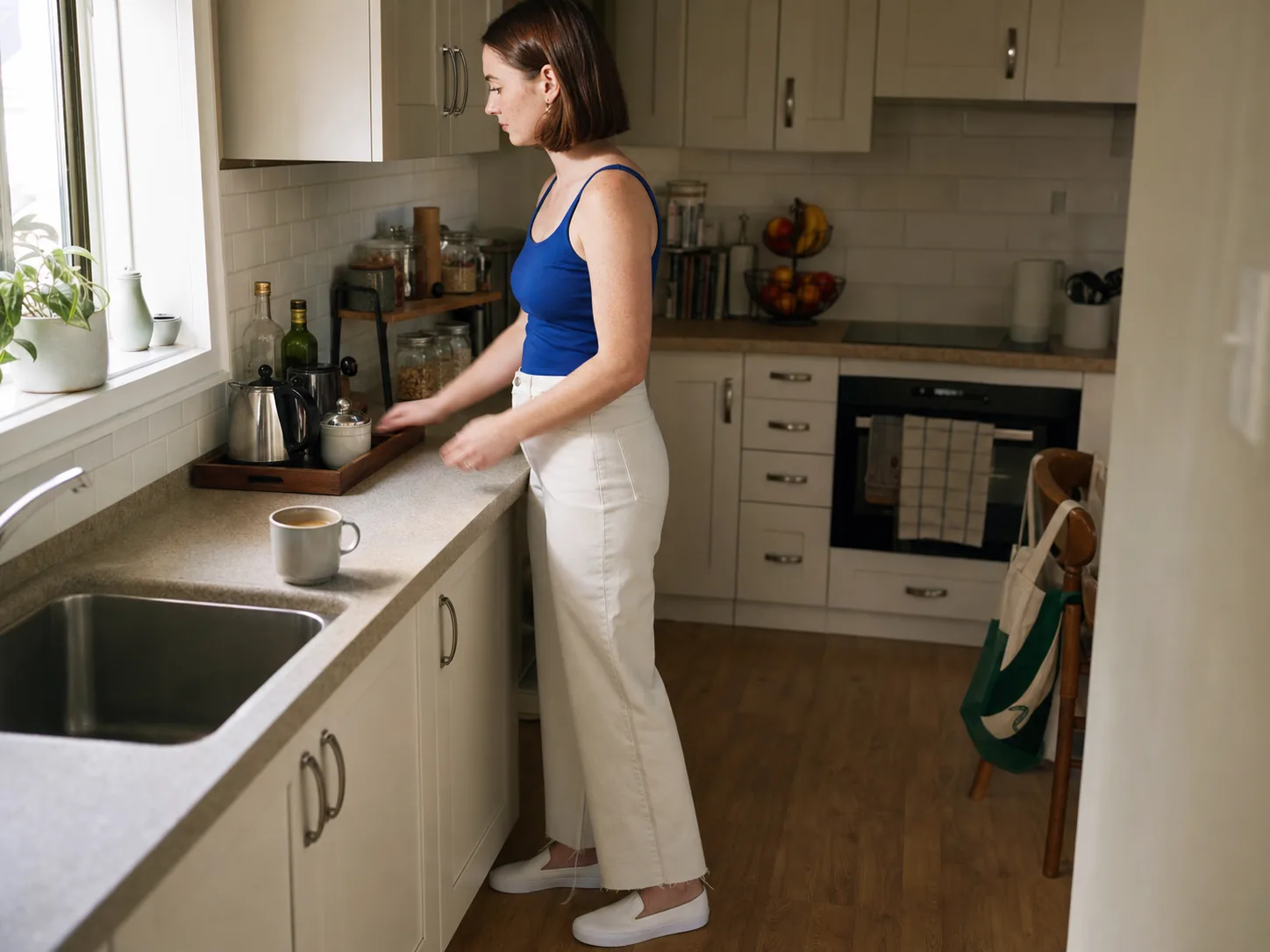
You bought the cute turntable to clear the counter. Two weeks later the counter feels smaller, not bigger, and the clutter has just relocated onto a nicer-looking footprint. That is the pattern that keeps coming up in organizing threads: the organizer that made the counter worse. The best countertop organizers are not the prettiest ones. They are the ones that earn the strip of counter they sit on, because on a small kitchen counter every inch you cover is an inch you can no longer prep on.
So this guide does two things. First, it shows you how to measure your free counter before you buy anything, so the organizer fits the space you actually have. Then it walks the category winners, from an all-purpose tray to a lazy susan, a utensil crock, a tiered shelf, a corner unit, and a budget pick, with an honest list of what to skip at the end.
| Organizer | Best For | Renter-Friendly |
|---|---|---|
| Dofira Acacia Wood Tray | A coffee-station or catch-all zone | Yes |
| OXO Good Grips 16″ Lazy Susan | Oils and bottles by the stove | Yes |
| Oggi Stainless Utensil Holder | Clearing tools off the stovetop | Yes |
| JayRex 3-Tier Moveable Shelf | Vertical space, straight or corner | Yes |
| mDesign 2-Tier Corner Shelf | A dead corner counter | Yes |
| RICCLE Wire Fruit Basket | Freeing space for produce | Yes |
Why Most Countertop Organizers Backfire
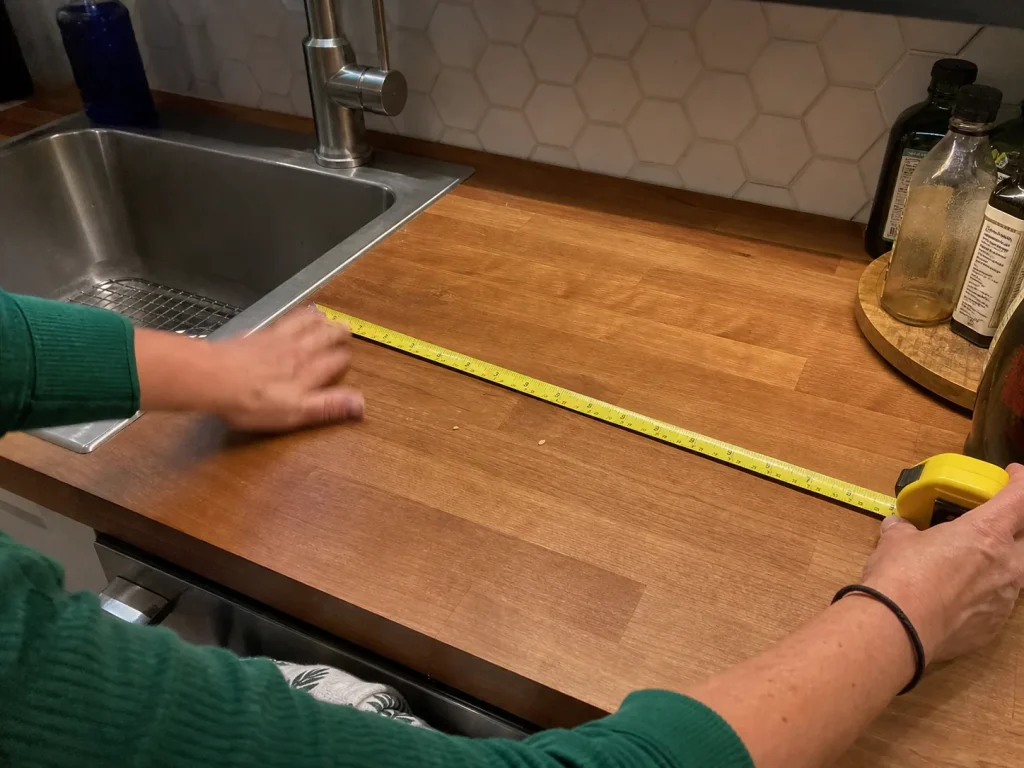
Here is the thing nobody tells you before you add something to a counter: the counter has a job, and most of that job happens in one specific strip. When an organizer lands on that strip, it does not fix clutter. It trades your working surface for storage, and a week later the overflow that used to sit on the counter is sitting somewhere worse. Organizing threads have a name for the slow version of this. Counter drift, where the usable surface quietly shrinks until the whole thing feels cluttered again.
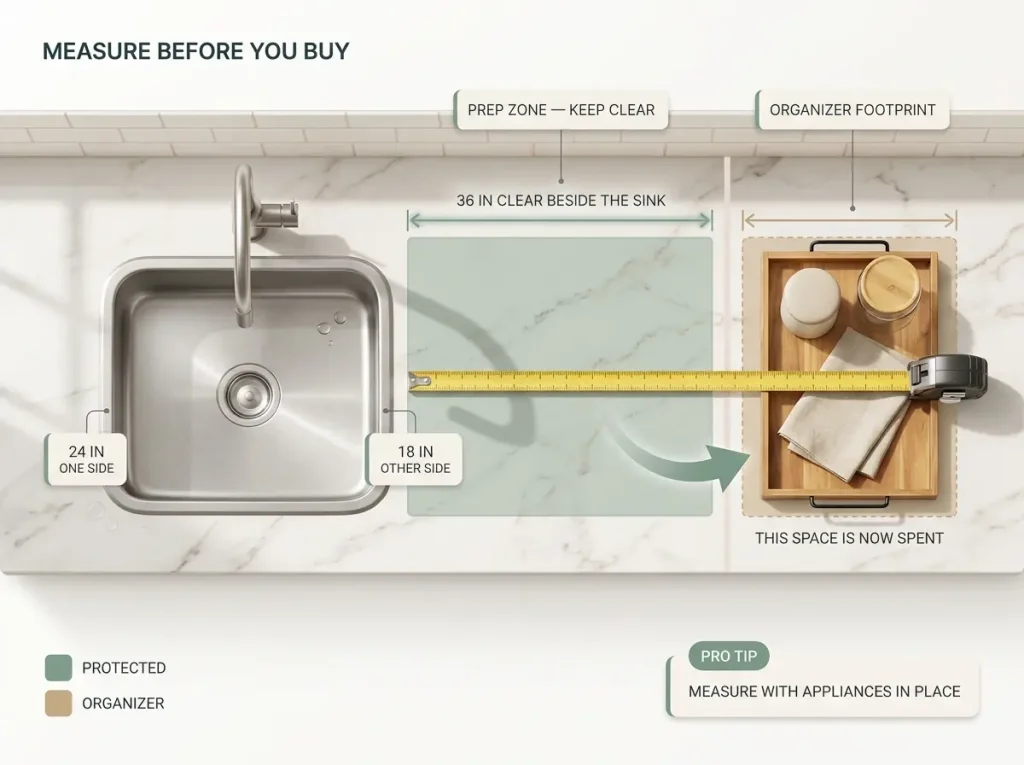
The strip that matters most is the one beside the sink. The National Kitchen & Bath Association recommends at least 36 inches of clear counter beside the sink as your primary prep zone, because that is where you actually chop, rinse, and stage food. Cover it with a tray or a turntable and you have recreated the exact problem you were trying to solve. The fix is almost never a bigger organizer. It is putting the organizer somewhere that is not your prep zone.
The prep zone you can’t give up
Think of your counter as a budget, not a blank canvas. Every organizer’s footprint comes out of that budget, and the prep zone is the one line item you cannot spend. NKBA’s landing-area guidance backs this up beyond the sink: 24 inches clear on one side of the sink and 18 on the other for wet dishes and cutting boards to land, and 12 to 15 inches beside the cooktop so hot pans have somewhere safe to go. A spice turntable near the stove has to fit inside that margin, not replace it.
How to measure your free footprint before you buy
Before you order anything, clear the counter and measure the open run, and the counter depth, with an actual tape measure. Then subtract the prep zone you just protected. Whatever is left is your real organizer budget, and it is almost always smaller than you think. This one step is the difference between a bin that fits and a bin that gets returned, which is one of the most repeated confessions in kitchen threads: bought the organizer, loved the organizer, sent the organizer back because it swallowed the counter.
Measure the free run with your everyday small appliances in place, not on an empty counter. The toaster and the coffee maker are not moving, so the space they occupy was never yours to organize in the first place.
Match the organizer to the counter you actually have
Counters come in shapes, and the shape decides what fits. A straight run wants something that hugs the backsplash and goes up. A corner counter has a dead triangle that only a corner-shaped unit can use. A galley or a shared kitchen has almost no spare surface at all, which is when you go vertical or you go home. For a full systems view of keeping the whole surface clear, our guide to a counter that actually stays clear covers the zoning method these product picks slot into, and the companion piece on how much counter each idea really costs does the footprint math idea by idea.
The Best All-Purpose Countertop Organizer
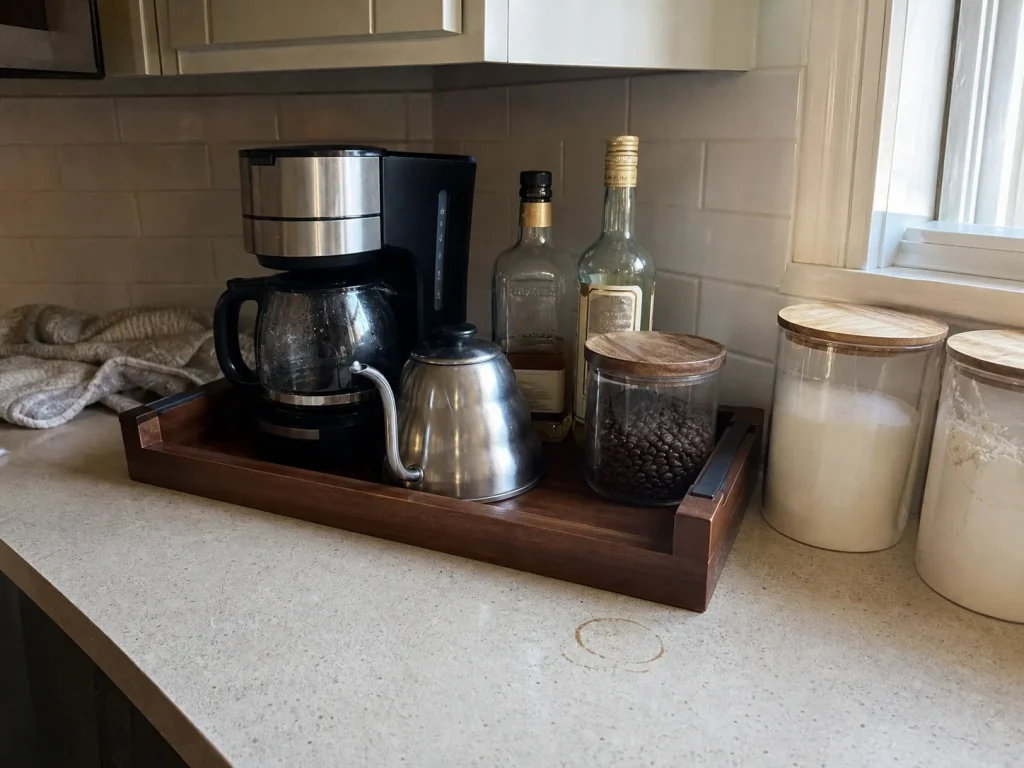
Most counters do not have a clutter problem. They have a “no defined zone” problem. Stuff spreads because nothing tells it where to stop. The simplest fix is a tray, because a tray draws a border, and a border changes the rule: everything inside it is allowed to live on the counter, everything outside it goes away. Before you buy one, check what you already own. A wooden cutting board you never use or a cake stand gathering dust is already a tray. Try that first.
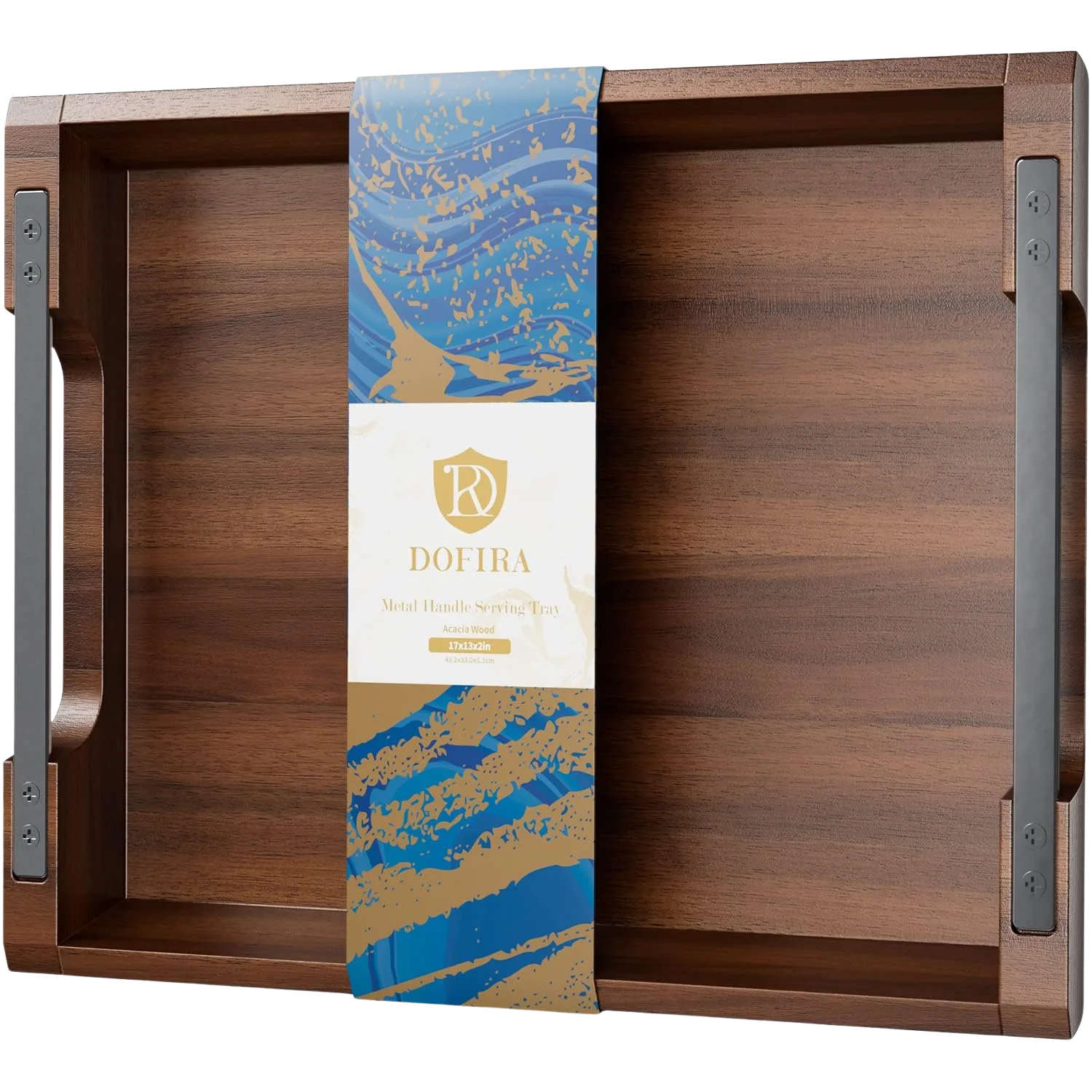
If you do want one built for it, a serving tray with a raised edge or real handles keeps crumbs and spice dust from migrating off the sides, which is the quiet failure of a flat tray. The Dofira Acacia Wood Serving Tray does this well: the acacia adds warmth against all the metal and glass elsewhere on a counter, and the metal handles double as a lip and let you lift the whole zone to wipe underneath. That last part matters more than it sounds, because a tray you cannot lift becomes a permanent dust shadow.
Decanting the dry staples you keep out
If part of what clutters your counter is bags of coffee, sugar, or flour you use daily, decanting them into matching canisters buys back visual calm and shelf logic at once. The material choice matters here, though. Glass holds up anywhere and never yellows or absorbs odor, which is why the ComSaf Airtight Glass Canister Set (glass canisters that actually seal) is a safer counter pick than acrylic or bamboo. The bamboo on these is limited to the lid, so the part that touches your flour is glass, not plastic.
Best Lazy Susan for Bottles and Jars

Bottles by the stove multiply. The olive oil, the good olive oil, the vinegar, the cooking spray, the soy sauce, until you are knocking one over every time you reach for another. A lazy susan turns that whole cluster into a single motion, which is genuinely one of the best small upgrades a counter can get. But there is a catch that decides whether it lasts, and it is not the one you would guess.
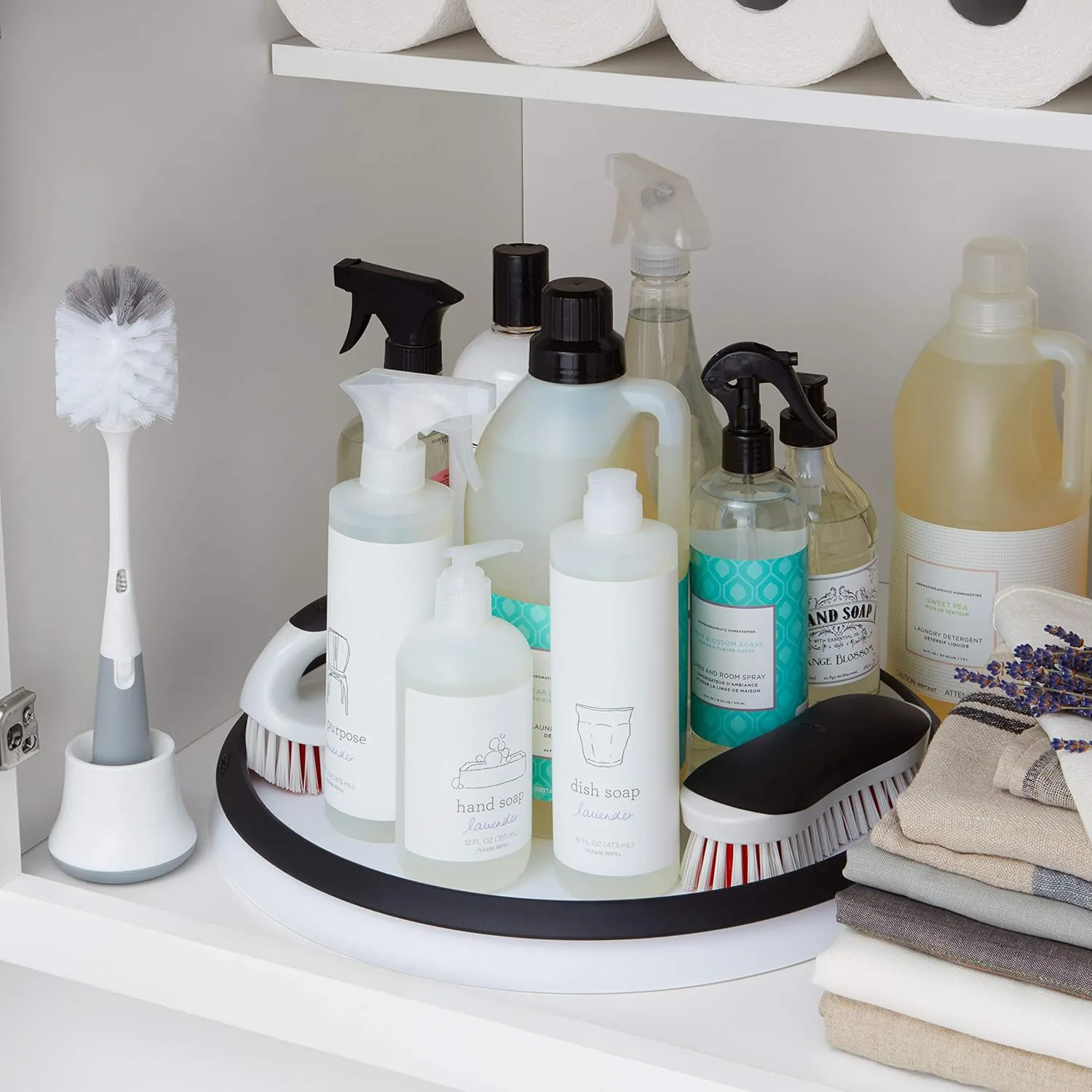
The catch is the lip. A turntable with no raised edge lets tall bottles walk off the rim as it spins, and then you are chasing the sesame oil across the floor. That is the failure story lazy susan threads repeat before someone points out the real fix: get one with a raised edge. The OXO Good Grips Lazy Susan Turntable has that lip built in, which is the entire reason it is the pick over a dozen prettier flat trays. Size it to your stove zone, though, because a 16-inch turntable needs to sit inside that cooktop landing margin, not eat into it.
Sizing it to your stove zone
If your stove-side counter is tight, a 16-inch tray may be too much. The Copco Non-Skid Turntable drops to a smaller single-tier footprint that tucks into a corner without crowding the burners, and it is the budget-friendly move when you only need to corral four or five bottles. I used to tell people to always size up for capacity. After enough “it hangs over the edge” stories in kitchen threads, I switched to sizing down: a turntable you can actually spin without hitting the backsplash beats a bigger one that is jammed in.
When two tiers are worth it
If you are storing more than bottles, spices plus oils plus a few short jars, a second tier stacks that vertically instead of sprawling. The YouCopia Crazy Susan Two-Tier Turntable is height-adjustable for exactly that, though stock on it runs thin, so grab it only if it is available when you look rather than counting on it. For sizing a turntable to a deeper space, the same measure-first logic applies as in our guide to sizing a lazy susan before you buy it, just applied to the pantry instead of the counter.
Put the things you reach for daily on the outer ring and the occasional stuff toward the center. A turntable only saves you a reach if the front row is the stuff you use most, otherwise you are spinning past your everyday oil to get to it.
Best Utensil Holder to Clear the Stovetop
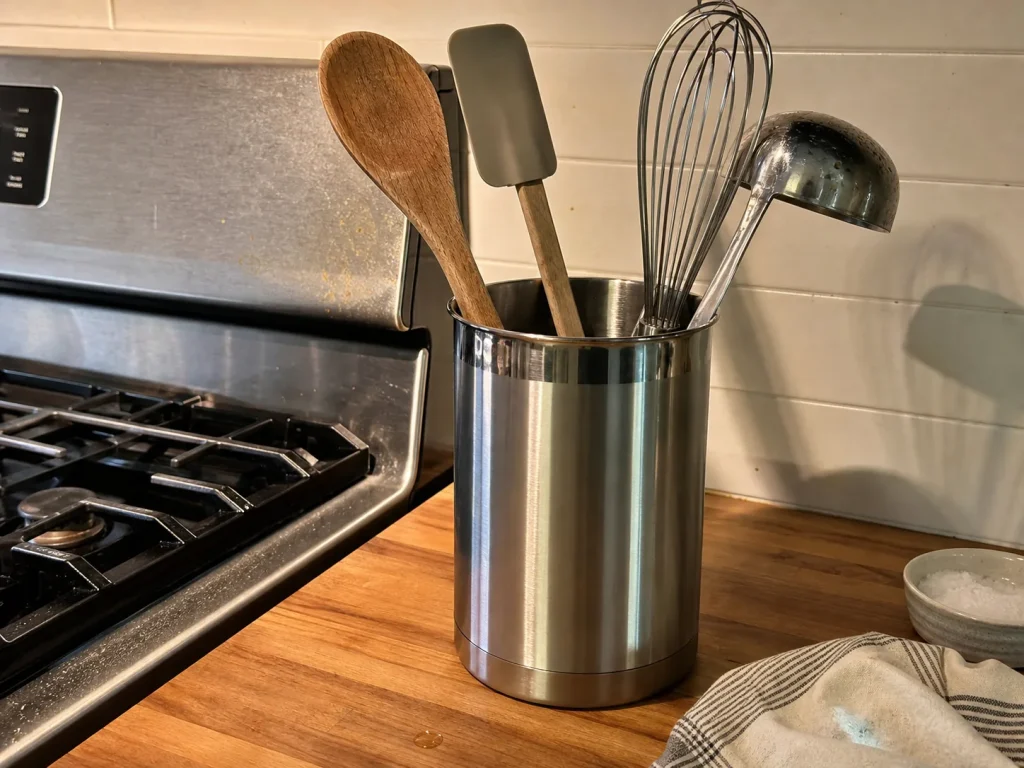
The overflowing utensil drawer that will not shut and the loose spatulas creeping across the counter are the same problem wearing two disguises. There is no vertical home for the tools you reach for every single time you cook. A crock by the stove fixes both at once, and honestly a wide mug or a ceramic pitcher you already own does the job before you spend a cent. Try that before buying anything.
If you want one made for it, the material decides how it ages. A crock with no drainage plus utensils dropped back in wet from the sink breeds a musty film at the bottom that you will not see until it smells. That is the mechanism cooks describe in forum threads, and it is why the fix people land on is a metal holder, not the pretty bamboo one. The Oggi Stainless Steel Utensil Holder sidesteps the swelling and mold that bamboo and wicker crocks develop in a wet, steamy stove zone. Its only real limit is size, so it is best for your everyday five or six tools, not the entire drawer.
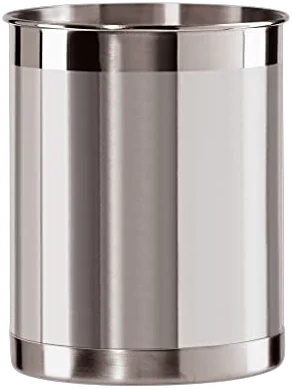
Split your tools across two smaller crocks instead of cramming one. It is the workaround forum cooks swear by: one holds the things you grab wet from washing so they can air-dry, the other holds the dry everyday tools. Better drainage, better reach.
Best Tiered Organizer for Vertical Counter Space
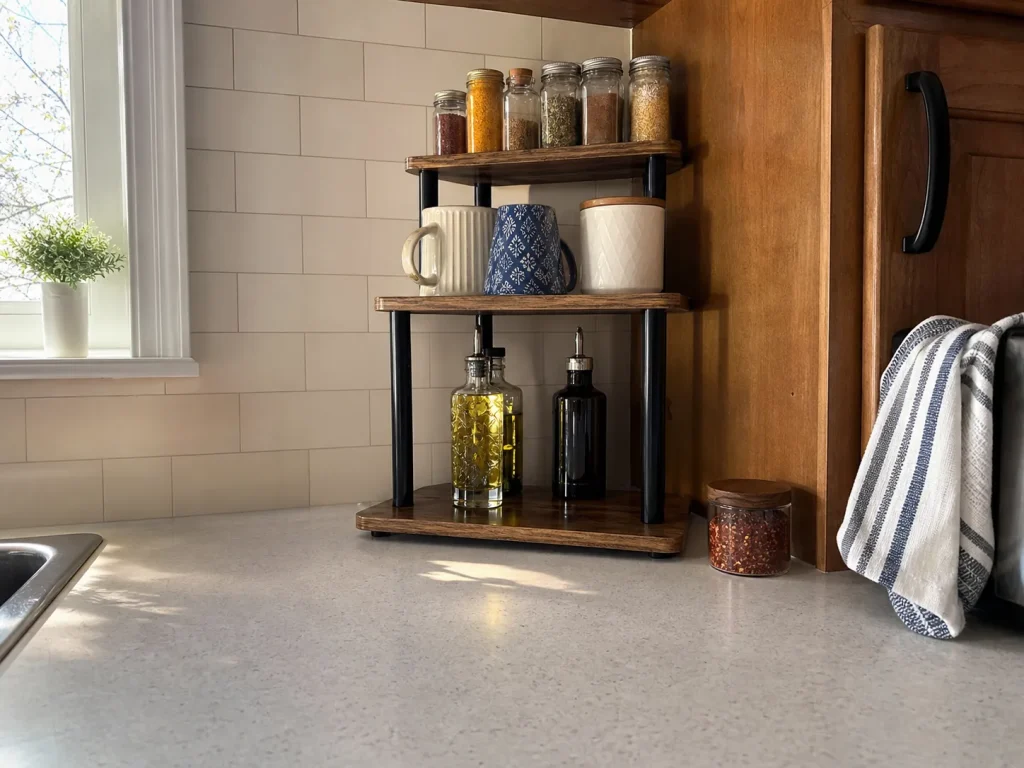
Your counter is full because everything on it is a single layer, spread flat, while the wall above it sits completely empty. A tiered organizer is the move that fixes this, because it trades footprint for height. It is genuinely the highest-return decision for a small counter, since it gives you two or three times the storage from the same square of counter you were already spending.
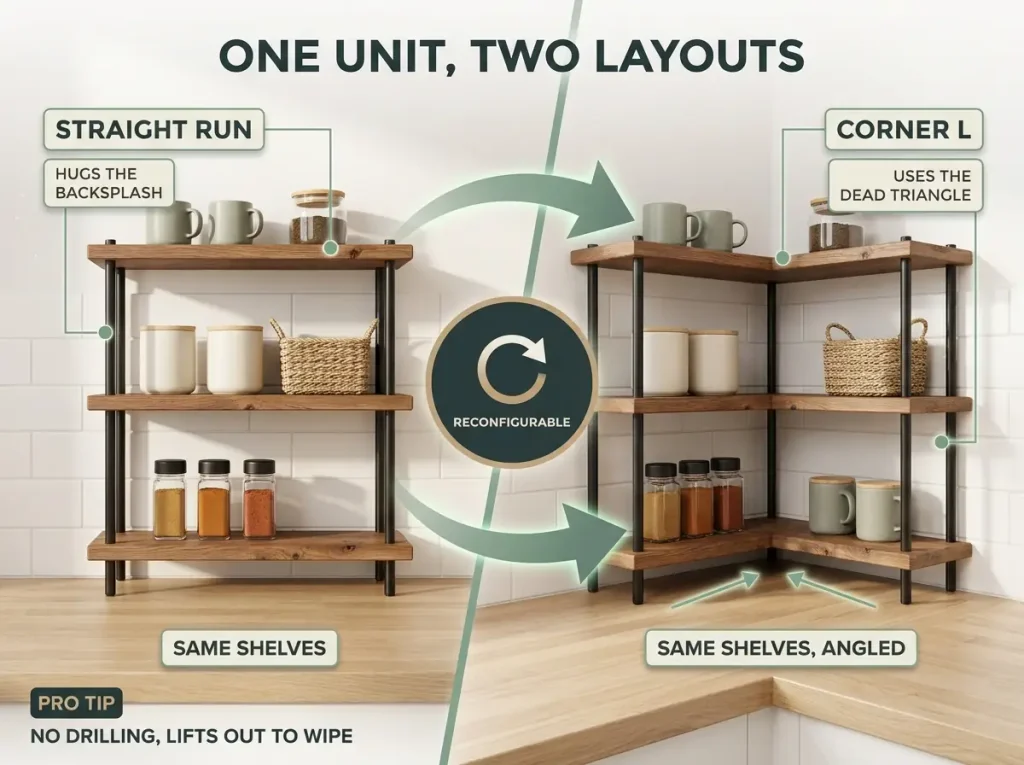
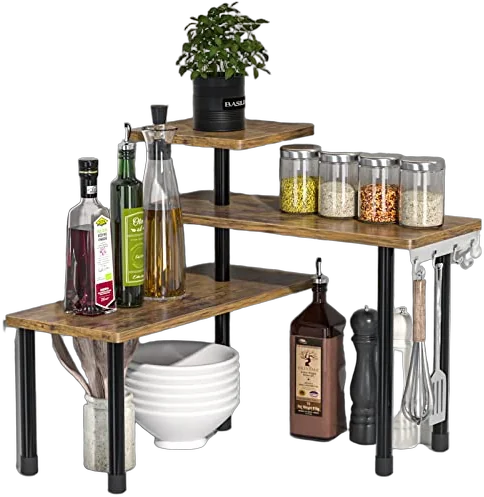
The best versions do not lock you into one shape. The JayRex 3-Tier Moveable Corner Shelf stacks straight along a backsplash when you have a wall run, or angles into an L when you have a corner, so one unit answers “which organizer for which counter shape” instead of forcing you to guess at checkout. The tiers stay shallow enough to hold jars two rows back without pushing into your prep zone, and because it is a no-drill freestanding piece it lifts right out for wiping and leaves no holes for renters to worry about.
Straight run or corner, one unit for both
The reconfigurable design is the reason this one beats a fixed shelf for most kitchens. You do not have to know your permanent layout the day you buy it, and if you move, it adapts to the next counter.
What a fixed tiered shelf costs you
Here is where I would push back on the popular pick. A fixed, non-reconfigurable tiered shelf gets recommended constantly, and it works, unless you have a corner. Then you are paying for tiers you cannot angle, and the unit sits awkwardly across the triangle wasting the very space you bought it to use. If your target spot is a corner, a reconfigurable unit is worth the small premium every time.
Best Organizer for a Corner Counter
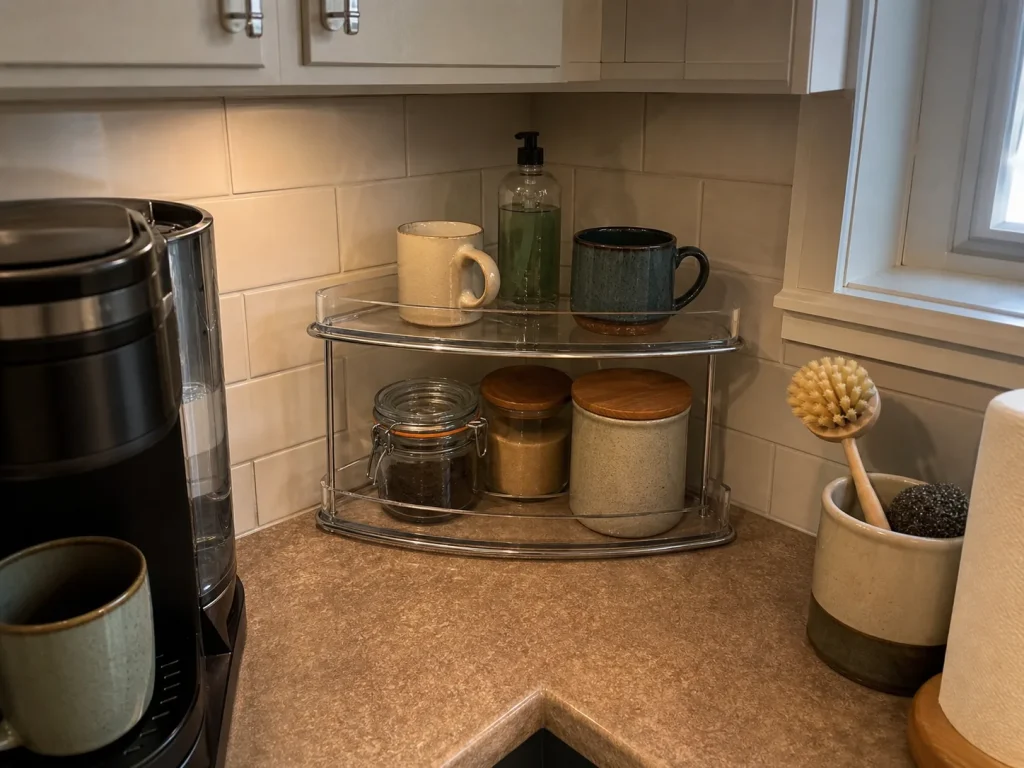
Every kitchen has one: the corner behind the coffee maker where crumbs, a random jar of something, and a takeout menu go to die. It is dead space for a simple reason. Standard rectangular organizers waste the triangle where two counter runs meet, so the depth in that corner never gets used. A corner-shaped shelf is the one thing built to use it.
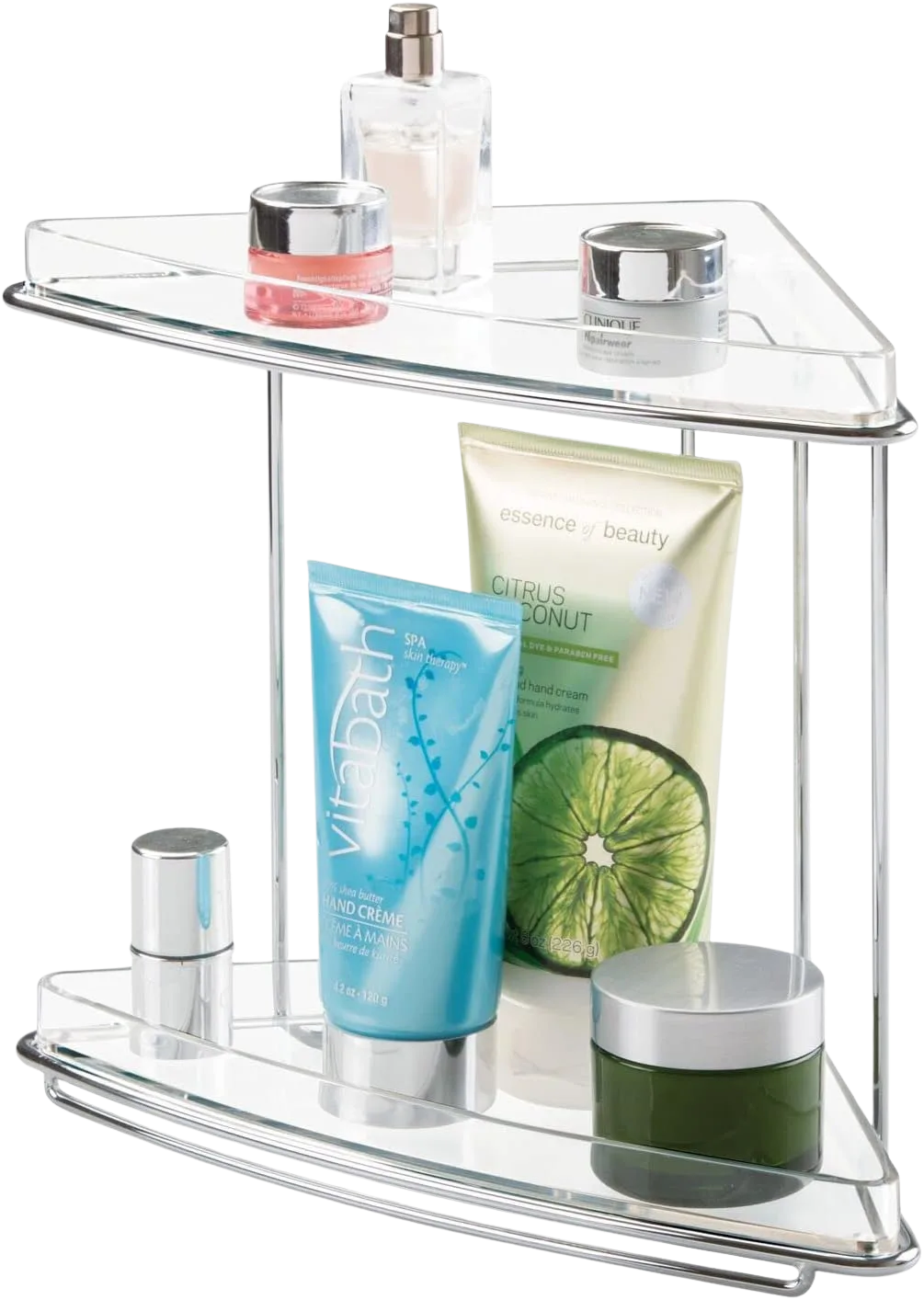
A see-through corner unit does one more thing that matters: it keeps the back layer visible so nothing gets lost behind the front row, which is the “graveyard” failure every deep corner develops. The mDesign 2-Tier Freestanding Countertop Corner Shelf fits the triangle a rectangle cannot, and its clear build keeps the whole depth readable. Two tiers add height without widening the footprint into your prep zone, and it is freestanding, so there is nothing to mount. The same dead-corner logic shows up inside cabinets too, which our guide to the same dead-corner problem inside the cabinet walks through if your corner cabinet is the next fight.
The Best Budget Pick and What to Skip
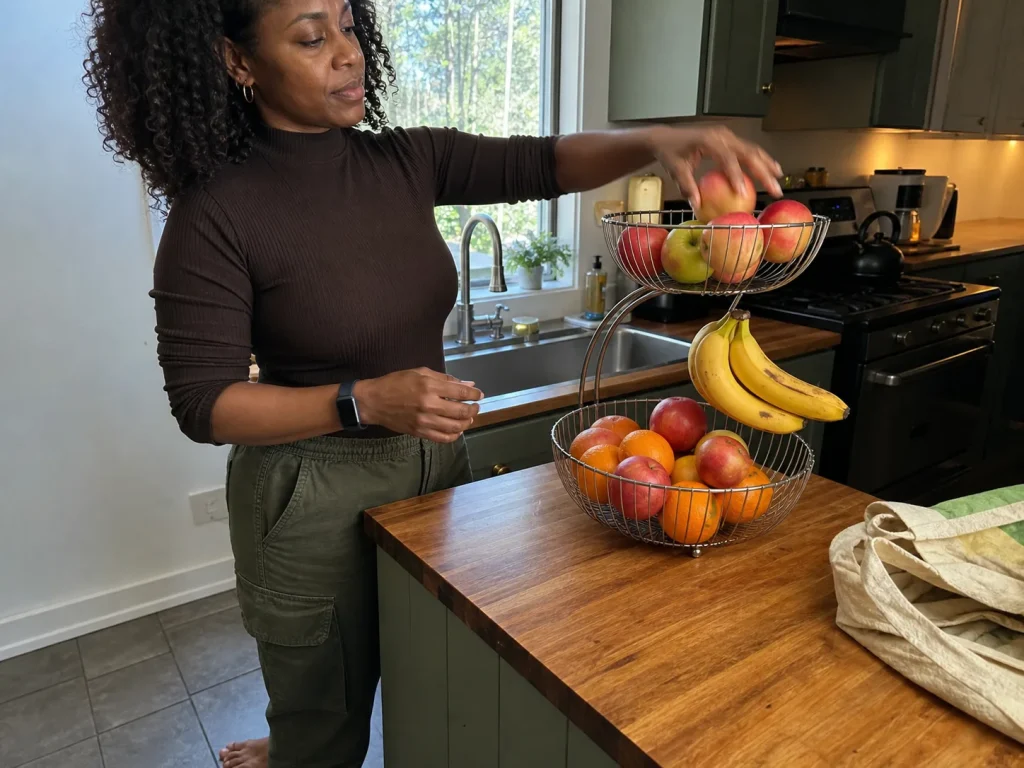
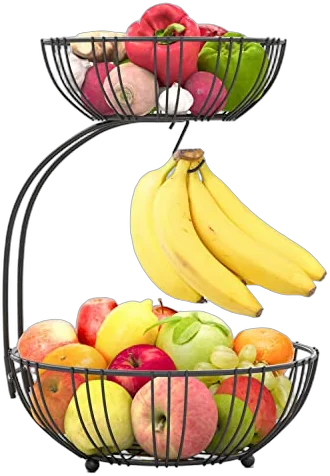
You do not need to spend to clear a counter. The single cheapest organizer that still earns its space is a wire fruit basket, because it lifts the bowl-of-apples pile off the counter and into vertical air. The RICCLE Double Layer Metal Wire Fruit Basket does exactly that, with a second tier and a banana hook, and the metal build means there is no material worry at all. It is the lowest-cost pick here and it frees real surface, which is the whole test.
The material mistakes to skip
Two material choices cause most of the “why did this fail” stories, and both are avoidable. The first is bamboo or wicker anywhere near water. It looks warm and it photographs beautifully, but bamboo absorbs moisture, swells, warps, and grows mildew in the humidity of the wettest zone of the kitchen, so the organizer chosen for looks fails fastest right where you put it. Keep bamboo away from the sink and the dish rack, full stop.
The second is acrylic in a high-heat or high-scratch spot. Acrylic scratches with everyday use and can yellow over time, which is fine in a dry, low-traffic corner and wrong right next to the stove. It is a material with a place, just not every place, and our closer look at where acrylic actually holds up breaks down the one spot it genuinely earns.
The buy-before-you-measure trap
The most expensive mistake is not a material. It is buying before measuring, which loops right back to where this guide started. The returned-bin story is universal because the counter budget got skipped. Clear and measure first, then buy. If your counter needs a full reset before any of this, our walkthrough on clearing the counter before you organize it covers the keep, relocate, and toss pass that has to come first.
If you rent, the real edge of a freestanding organizer is mobility, not just no holes in the wall. A unit you can pick up, or a rolling cart you roll aside once the cooking is done, gives you prep space on demand instead of losing it permanently to a mounted shelf. A cart you can roll out of the way is the trick renters land on again and again.
Conclusion
Three things carry the whole guide. Measure your free footprint before you buy, because the organizer has to earn the space it takes, not borrow it from your prep zone. Match the shape to your counter and the material to the zone, so metal and glass go near water and heat while bamboo and acrylic stay in dry, low-traffic corners. And when the counter is small, the best move is going vertical, not spreading out.
In three months, look at what has drifted back onto the counter. That spot is telling you it needs a defined home, not another organizer piled on top.
Pick the one counter that annoys you most. Measure it. Buy one thing that actually fits. Get that right before you touch the next counter.
Frequently Asked Questions
01Are countertop organizers worth it?
Yes, when the organizer earns the space it takes. A tray or tiered shelf that consolidates a scattered zone into one liftable footprint is worth it. One that parks on your prep strip just relocates the clutter, so measure your free counter first.
02What’s the best material for a countertop organizer?
Match the material to the zone. Metal and glass hold up anywhere, including near the sink and stove. Bamboo and wicker swell and go musty in wet zones, and acrylic scratches and can yellow in high-heat spots, so save those for dry, low-traffic corners.
03How do you organize a small kitchen counter without losing prep space?
Go vertical instead of out. A tiered organizer trades footprint for height and a corner unit reclaims the dead triangle, both adding storage without eating the 36-inch prep zone the NKBA flags as the counter you can’t give up.
04What should you keep on your kitchen counter?
Only the daily-use items that earn their footprint, like the coffee setup and the tools you reach for every meal. Everything used weekly or less goes in a cabinet. If you can’t name why it’s out, it’s clutter.
05Do countertop organizers work for renters?
They’re ideal, since every pick here is freestanding with no drilling. The real renter edge is mobility: a freestanding organizer or rolling cart you roll aside recovers prep space on demand instead of losing it permanently to a mounted shelf.