Most people start the fabric vs plastic storage bins question the wrong way. They ask which one is better, as if there’s a single answer waiting to be looked up. There isn’t. The bin that’s perfect for a stack of sweaters in your bedroom closet is the exact bin that cracks in a summer attic or grows a science experiment in a damp basement. The right choice is decided by where the bin lives and what goes inside it, not by which material wins some imaginary head-to-head. Here’s how to make the call by environment, by contents, and by the failure modes nobody puts in the “after” photo.
One framing before the table: the material only matters once your stuff is bone-dry. Everything below assumes you got that part right.
| What matters | Fabric Bins | Plastic Bins |
|---|---|---|
| Breathability & moisture | Breathes, regulates humidity | Seals; traps moisture you pack in |
| Pests & water | Can be chewed; not waterproof | Locking lid blocks pests; sealed types are waterproof |
| Weight & stacking | Soft goods only; limited stacking | Holds heavy loads; latches and stacks |
| Folds flat when empty | Yes, collapses for moving | No, same footprint empty |
| Best home for it | Indoor climate-controlled closet | Basement, garage, hot attic, long-term |
What Each Material Actually Does
You already know the difference if you’ve ever pulled a sweater out of a sealed tote and caught that been-in-a-box funk. The sweater was clean when it went in. So where did the smell come from? The container, not the clothes. Understanding why is the whole game, because once you get the mechanism, every “fabric or plastic” decision answers itself.
Fabric breathes, and why that matters for clothes
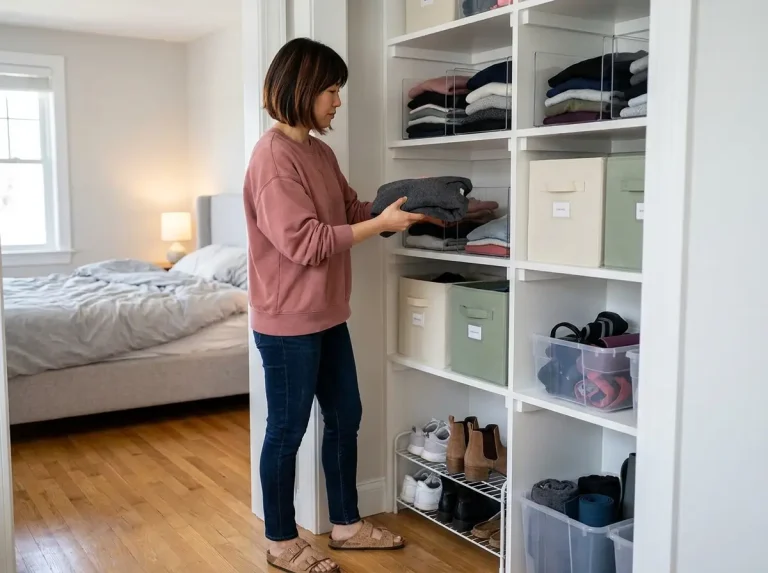
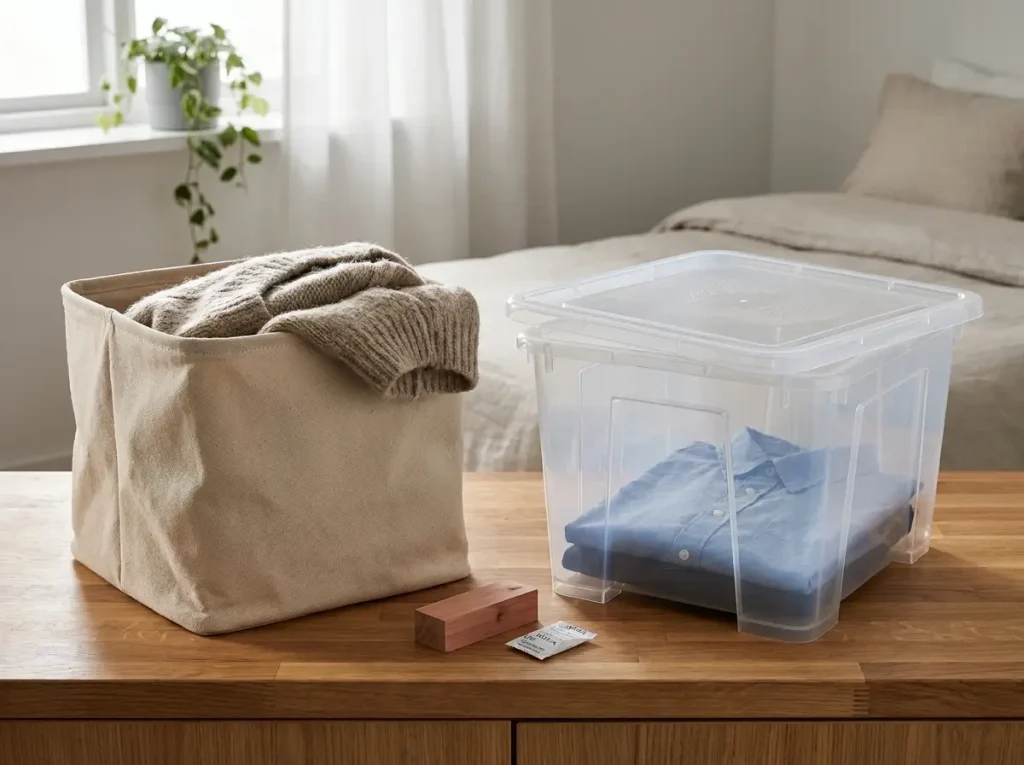
Fabric storage bins made from canvas, cotton, linen, or breathable polyester let air move through the walls. That airflow regulates humidity around whatever’s inside, so natural fibers like wool and cotton don’t sit in their own trapped moisture. For off-season clothes living in a normal indoor closet, that breathability is the entire advantage. Air gets in, dampness doesn’t build up, and the sweater you pull out in October smells like a sweater instead of a basement.
Plastic seals, a barrier that cuts both ways
Plastic storage bins do the opposite job, and they do it well: they create a sealed environment. Outside moisture, dust, and pests stay out. But that same seal traps whatever you lock inside. Pack something even slightly damp and the residual moisture has nowhere to go, so it condenses on the walls (the same condensation that fogs a cold window) and you’ve built what organizing forums call a micro-greenhouse for mildew. The seal is a feature in a leaky garage and a liability in a hurried spring pack-up. Same wall, opposite outcomes.
There’s a slower version of this problem too. Cheaper plastics can off-gas over time (slow chemical off-gassing), and those trapped vapors can yellow and chemically break down silk, vintage cotton, and wool. So a bargain bin doesn’t just risk a musty smell on your nicest pieces. It can discolor them.
The rule that beats both materials
Here’s the part that outranks the whole debate: whatever you choose, the items have to go in 100% dry. The number one storage mistake isn’t picking the wrong material. It’s packing clothes that are a little damp, then sealing them up. Fabric buys you a margin of forgiveness because it breathes. Plastic gives you none. Dry everything fully first and the material question gets a lot smaller.
Let laundered clothes sit out in open air for a full day before they go into any sealed bin, even if they feel dry to the touch. Folded cotton holds moisture in the core of the stack long after the surface is dry. That overnight wait is the cheapest mildew insurance there is.
Where You Store It Changes the Answer
Almost every comparison you’ll read assumes you live in a house with a basement, an attic, and a two-car garage. Plenty of people reading this rent an apartment with one reach-in closet and zero of those things. The answer flips depending on which person you are, so start with the room, not the product.
Indoor climate-controlled closet
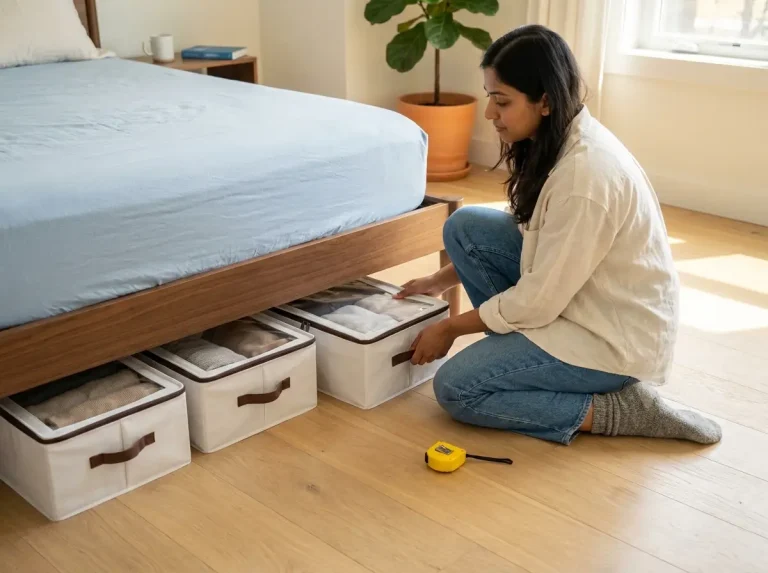
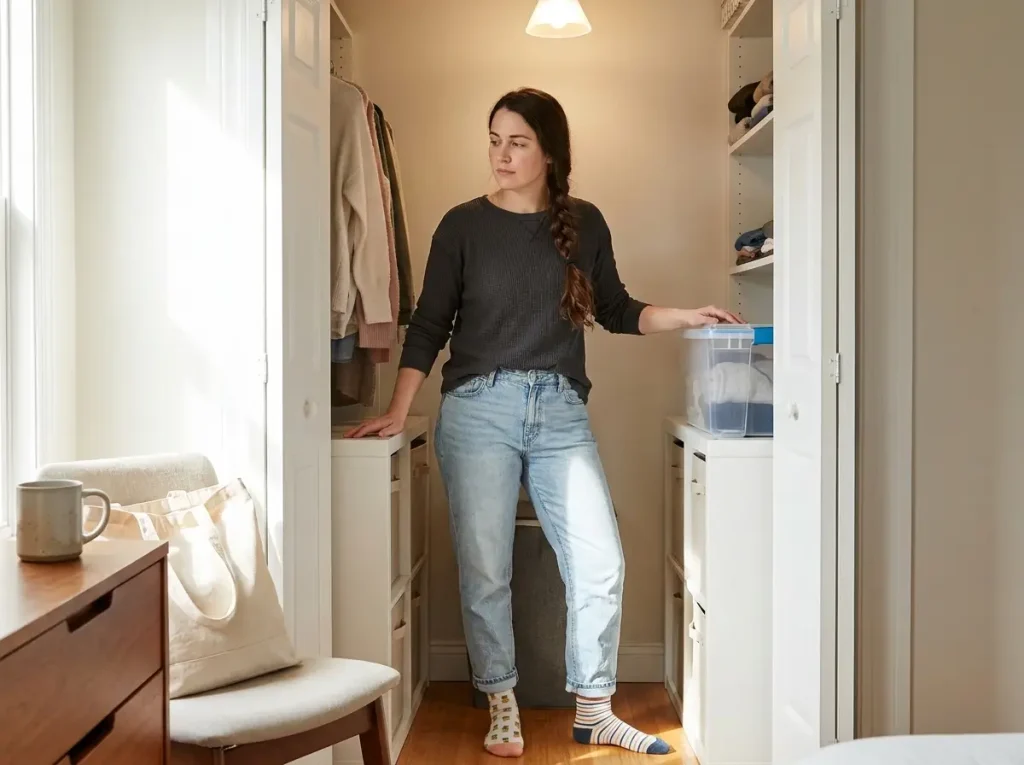
If the bin lives in a heated, cooled, dry interior closet, fabric is the default and you can skip the waterproofing upsell entirely. There’s no standing water to fear and no temperature swing to crack anything. Breathable fabric handles clothes, bedding, and linens beautifully here, and it looks softer on an open shelf than a wall of hard totes. This is the renter’s whole world, and it’s the one scenario where the cheaper, lighter option is also the better one. The same logic that decides bin material also decides container choice under the bed, where the under-bed clearance decides fabric vs rigid plastic too.
Damp basement or garage
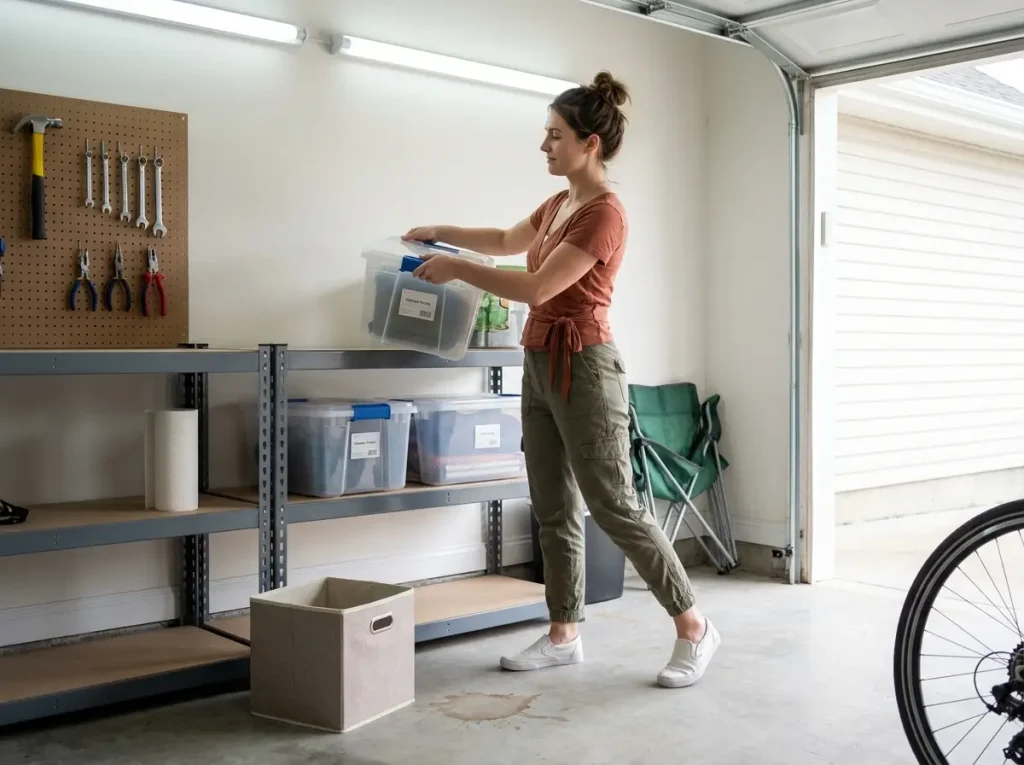
Now flip it. If the floor can ever get wet, if the air gets clammy in July, or if a pipe has ever sweated onto a shelf, breathable is exactly wrong. You want water-resistant, sealed heavy-duty plastic with a gasketed lid, because that seal is the only thing between your belongings and ruin. Fabric in a damp basement is just a slow sponge. And get the bins up off the concrete on a shelf or a pallet either way, because the floor itself is a moisture source. The EPA’s guidance is to keep indoor humidity below 60%, which is the threshold where mold stops finding the room hospitable.
For genuinely damp spaces, the IRIS USA WeatherPro 47 qt earns its keep with a gasket-sealed lid that keeps clammy air out. It’s overkill for a dry bedroom closet, so don’t buy it for a space that doesn’t need it.
Hot attic
Attics are their own trap. Summer attic temperatures can climb past 120°F, and thin bargain plastic (the LDPE kind most cheap totes are made of) softens above roughly 110°F and slowly turns brittle. It won’t look different. It’ll just shatter the day you pull it down full of holiday decor. If something has to live in the attic, pay up for thick HDPE or polypropylene totes, and don’t stack them sky-high. Fabric, meanwhile, is fine with the heat but offers no protection from the dust and pests that rule an attic. So attic storage is a plastic job, just not a cheap-plastic job.
The renter reality
No basement, no attic, no garage means the whole “you need weatherproof totes” argument doesn’t apply to you. Breathable fabric in an interior closet covers most of what an apartment dweller stores. And collapsible cubes fold flat when they’re empty, which matters enormously when you move every twelve to twenty-four months and don’t want to haul a stack of rigid boxes full of air. If your storage future involves a U-Haul, fabric has an advantage plastic can’t match.
Before you commit a whole room to one material, do the floor test: kneel down and put your hand flat on the floor where the bins will sit. If it feels even slightly cool or damp, that’s a sealed-plastic zone. If it’s room temperature and dry, fabric is fair game.
When Each Bin Fails (and Why)
This is the section the roundups skip, because failures don’t photograph well. But the failures are the whole reason to read past the product grid. Name the way a bin breaks down in your specific spot, and you’ll buy against it instead of replacing it next spring.
The top-shelf avalanche
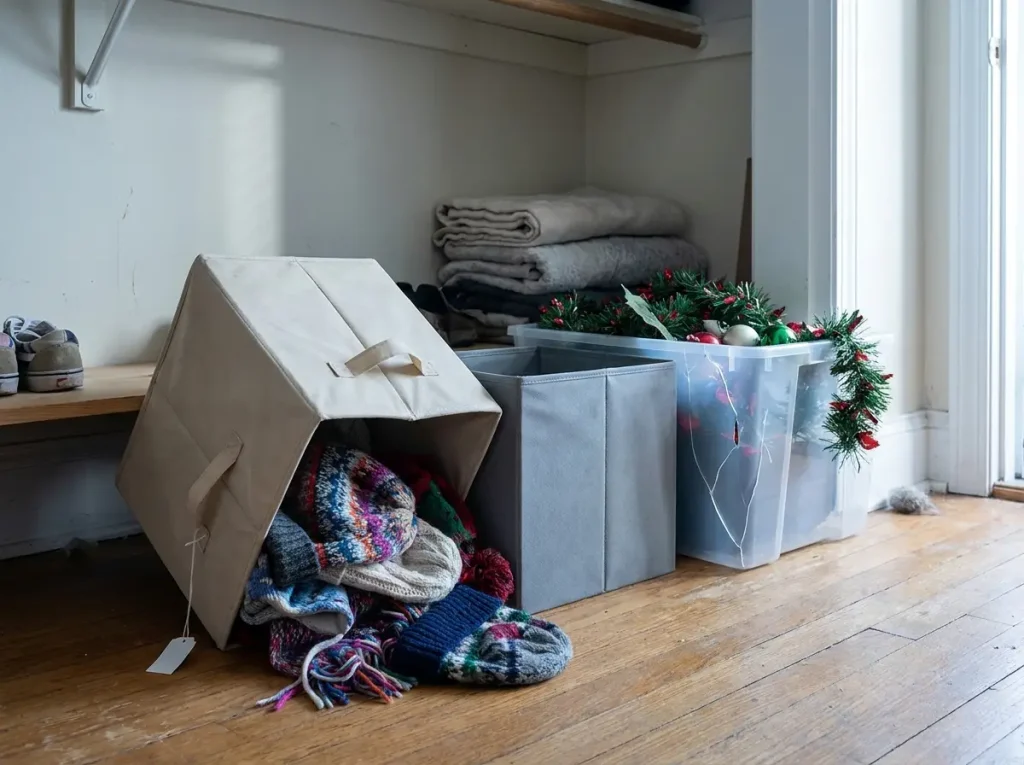
A soft, unstructured fabric cube has nothing holding its shape. Set it on a high shelf, stuff it with winter hats, then grab the handle and pull. The walls fold, the bin pancakes, and the whole thing dumps on your head. Organizing threads have a name for this: the top-shelf avalanche. It’s the same physics behind why your closet shelf piles keep toppling. The fix isn’t avoiding fabric. It’s using a structured-wall bin (one with cardboard or fiberboard inner panels) or a rigid plastic box up high, and saving the floppy cubes for low, accessible shelves where a little slump doesn’t matter.
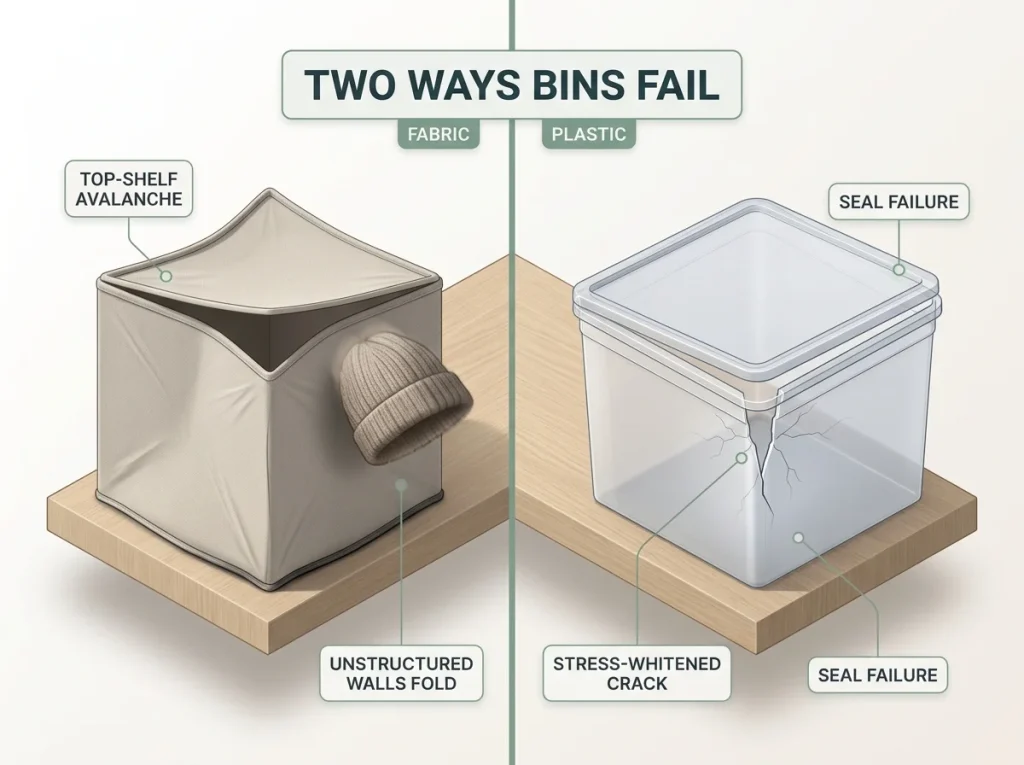
I used to tell people fabric was always fine for clothes, full stop. Then I kept hearing the same story about bins folding off the top shelf, and I changed the advice. Now I split it by shelf height first, material second.
The micro-greenhouse
Pack clothes that are “mostly dry” into a sealed plastic tote, close the lid, and walk away for six months. What comes out is musty at best and spotted with mildew at worst. The trapped residual moisture condenses inside the sealed walls and has nowhere to escape. This is the single most common plastic failure, and it has nothing to do with the bin’s quality. A premium airtight tote fails this test exactly as fast as a cheap one if you pack damp. The seal that protects you outdoors works against you here.
The cracked attic bin
We covered the heat science already, but the failure is worth picturing. You climb up for the holiday bins in December, lift one by the handle, and a corner splits clean off because the plastic went brittle over the summer. Thin LDPE in a 120°F attic is living on borrowed time. Clear bins get recommended for everything, and they’re great in a temperate closet. But in a baking attic, the thin ones are precisely the bins that crack.
The sagging fabric corner
The quieter fabric failure: cheap cubes sag at the corners after a season. Empty one, refill it, and it no longer stands up straight (it leans like a tired tent). It still technically works, but it’s a durability problem you notice a season in: it stops looking organized and starts looking defeated. Structured walls or a slightly higher-quality bin fixes it. For the price difference, usually worth it.
Measure Before You Click Buy
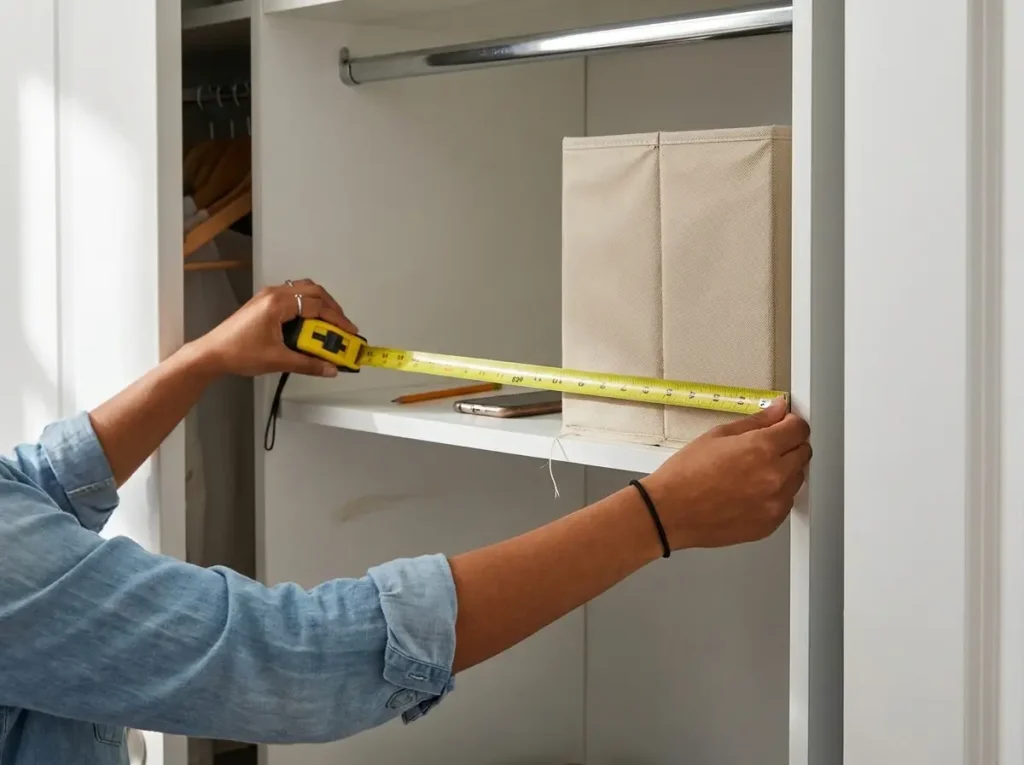
Half the bins people return get sent back for one boring reason: they didn’t fit. Not the wrong material, the wrong dimensions. A tape measure costs nothing and prevents the single most common storage purchase regret.
Shelf depth is the number that bites
The ubiquitous collapsible fabric cube is 13 by 13 by 13 inches. That sounds modest until you measure your shelf. Rental reach-in closet shelves are often only about 22 inches deep, not the 24 you’d assume, and once you account for the door frame intruding into the opening, a row of cubes can stick out far enough that the closet door won’t close. Shelf depth is the measurement that actually decides whether a bin works, and it’s the one people eyeball and get wrong.
This is also where renters get burned most, because rental closets rarely hit the standard depth that product listings assume. Measure yours before you trust any “fits standard shelves” claim.
Check the lid clearance and the door opening
Two more measurements people forget. For plastic totes, confirm the lid (and any latches) clears the shelf above it, since a snap lid can add an inch you didn’t plan for. And measure the door opening itself, not just the shelf, because a deep bin can be physically impossible to slide past a narrow reach-in frame even when it technically fits on the shelf behind it.
You’ll adopt the tape-measure habit exactly once. It happens the first time you drive a 6-pack of cubes back to the store. After that, you measure.
Write your shelf depth, height between shelves, and door-opening width on a note in your phone before you shop. Then read bin dimensions in that order: depth first, height second, width last. Depth is what fails, so check it before anything else catches your eye.
The Fabric Bins Worth Buying
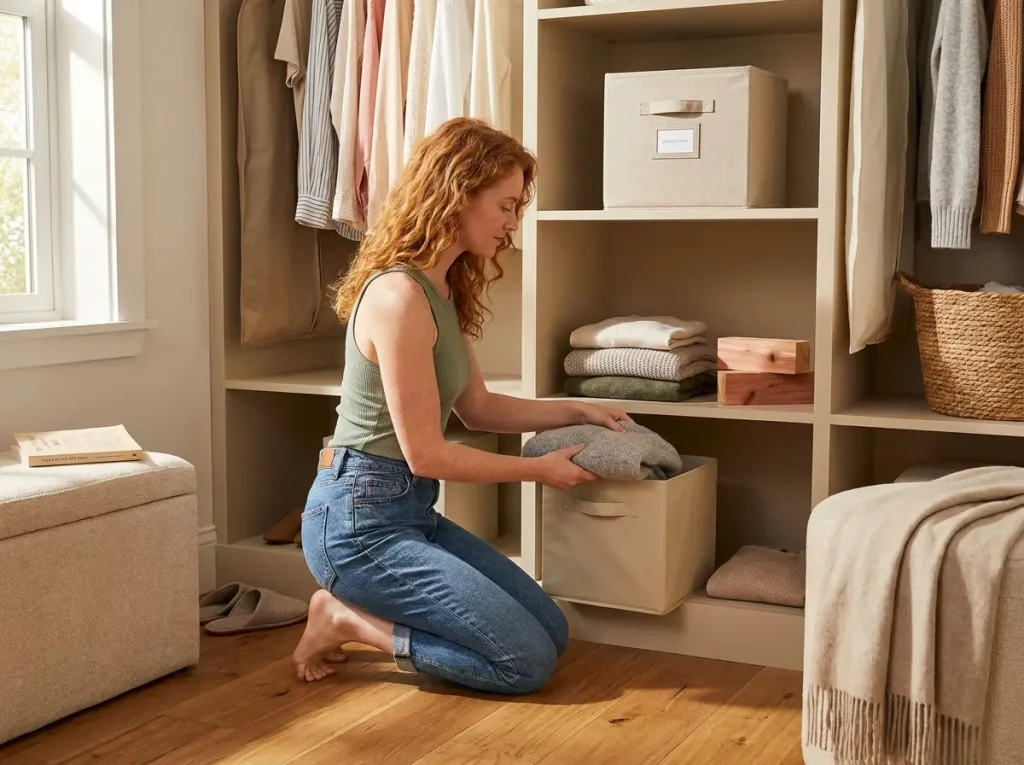
Before you spend anything, look at what you already own. A breathable cotton garment bag, or honestly even a clean pillowcase, protects sweaters and delicates in an indoor closet better than a brand-new fabric bin does. For some clothes, the right answer is to buy nothing. If you’ve got a few cotton pillowcases sitting in the linen closet, you have free breathable storage for knits right now.
If you do want actual bins, the standard breathable cube is the place to start.
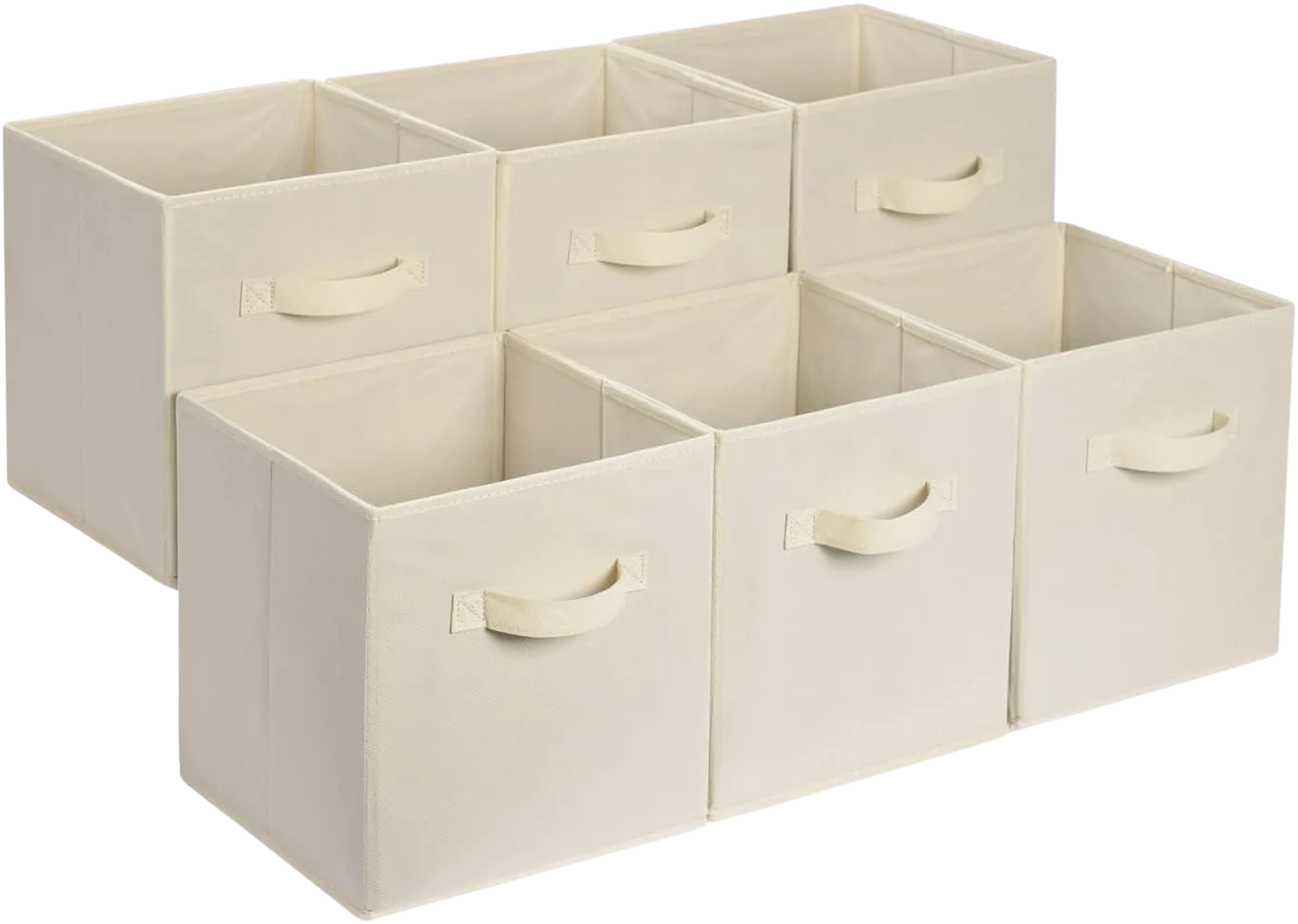
For the high shelf where a floppy cube would pancake, switch to a structured one. The Fabric Storage Bins with Labels (Set of 6) have rigid inner walls that hold their shape when you pull them down, and the label slot means you’re not guessing which bin holds the scarves. They cost a little more than bare cubes, and on a reach-in top shelf that’s money well spent.
One more thing fabric can’t do: repel moths. Breathable walls let air through, and they let pests through too. If you’re storing wool or other natural fibers, tuck in a few Homode Cedar Blocks (or cheaper cedar chips, or lavender sachets if you prefer the smell). The breathable-storage rules for sweaters go deeper here, and the same cedar logic applies to anything woolen.
What You’re Storing, and the Space-Saver Question
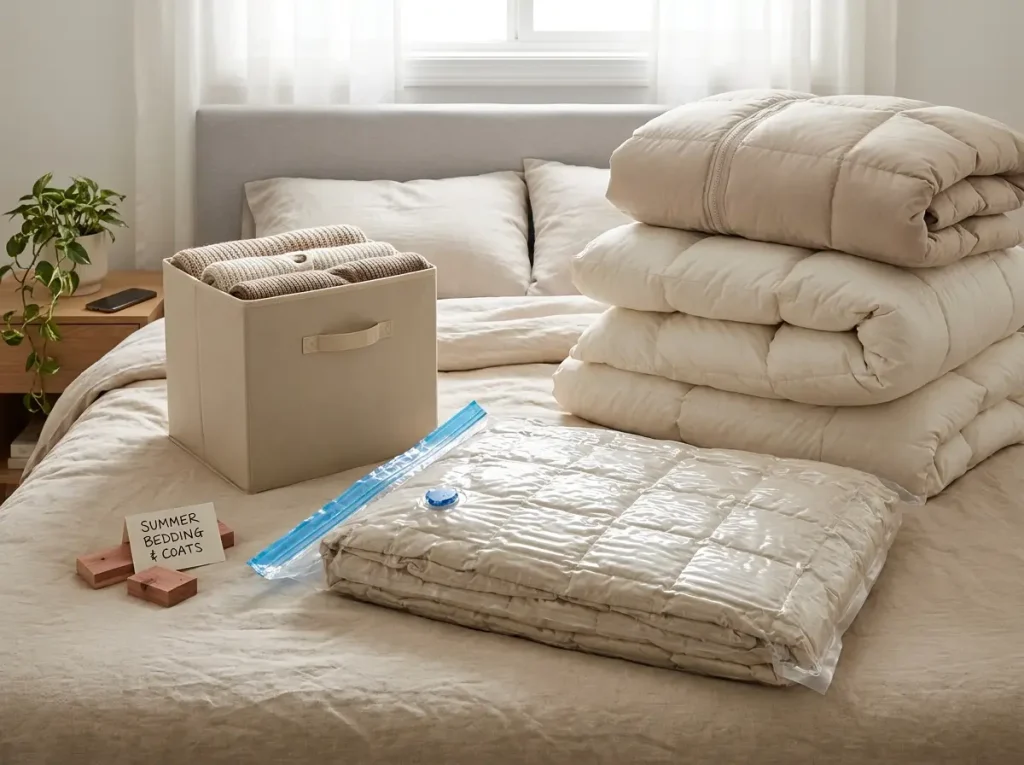
Environment decides a lot. Contents decide the rest. Match the bin to the weight and the bulk of what’s going in, and a few decisions that felt close suddenly aren’t.
Match the bin to the weight
Soft goods like clothes, bedding, and pillows are what fabric is built for. Heavy goods (books, tools, anything with real mass) belong in plastic, because a fabric bottom has a low weight capacity and will eventually blow out under the load. This is the cleanest rule in the whole comparison: light and soft goes in fabric, heavy goes in plastic. Delicates and vintage pieces stay breathable always, since a cheap sealed plastic can yellow them over the long haul.
When vacuum bags beat both
For bulky, lightweight seasonal storage like comforters, puffer coats, and spare bedding, neither bin type is really the answer. Vacuum bags are. They vacuum-seal a fluffy comforter down to a fraction of its size, and the ZOBER Vacuum Storage Bags variety pack handles most household bedding. One firm caveat: skip them for wool and down. Long-term compression crushes the loft and can damage the fiber, so your good winter coat and your wool blankets stay in breathable storage. If you want to compare seals and sizing, here’s which vacuum bags actually hold the seal.
And a reality check: vacuum bags save space, but they aren’t free storage. The flattened bag still has to live somewhere, in a bin or on a shelf, so factor that in before you assume it solves the space problem on its own.
The Plastic Bins Worth Buying
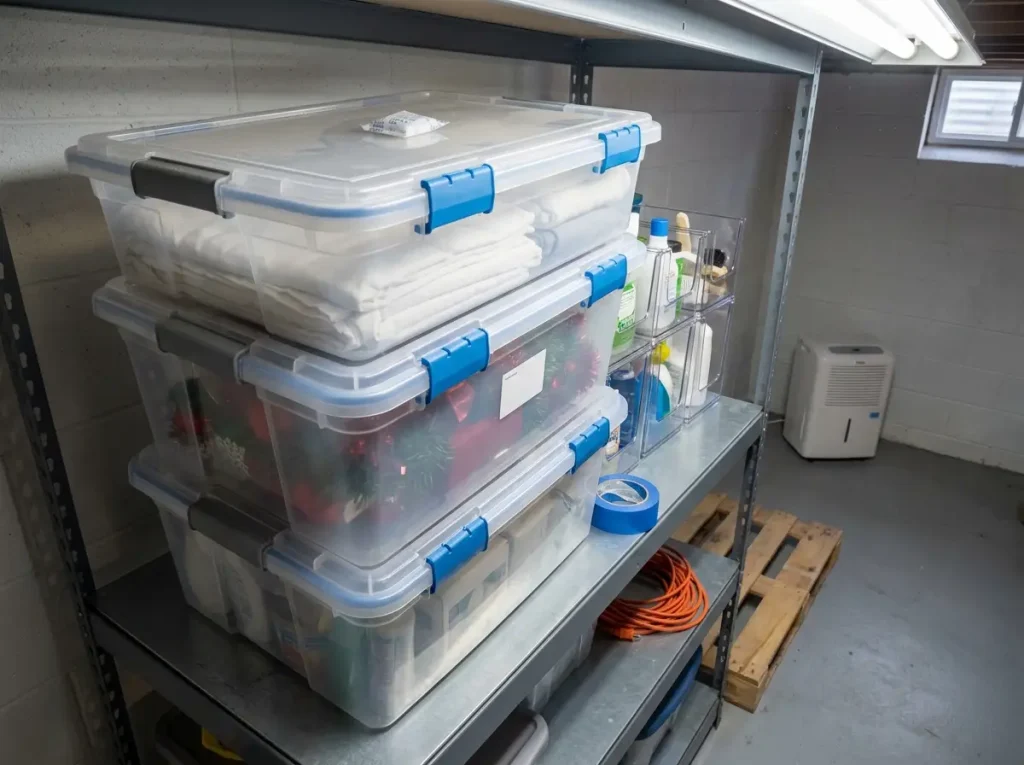
For the basement, the garage, and the attic, you want a hard lid and a real latch. What you don’t want is to overpay for “premium airtight” when a cheap accessory does the same job. Buy the rigid box, skip the marketing.
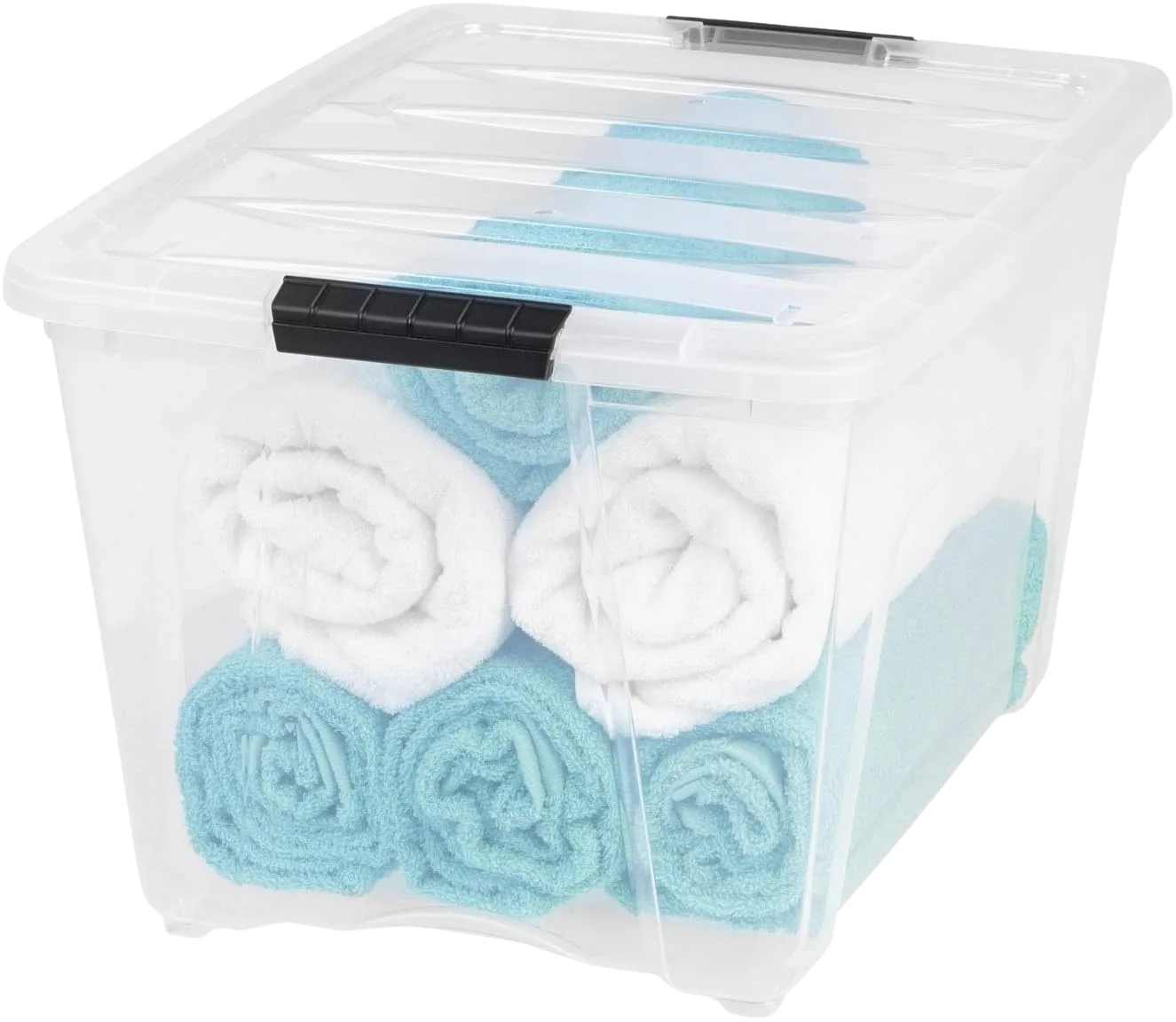
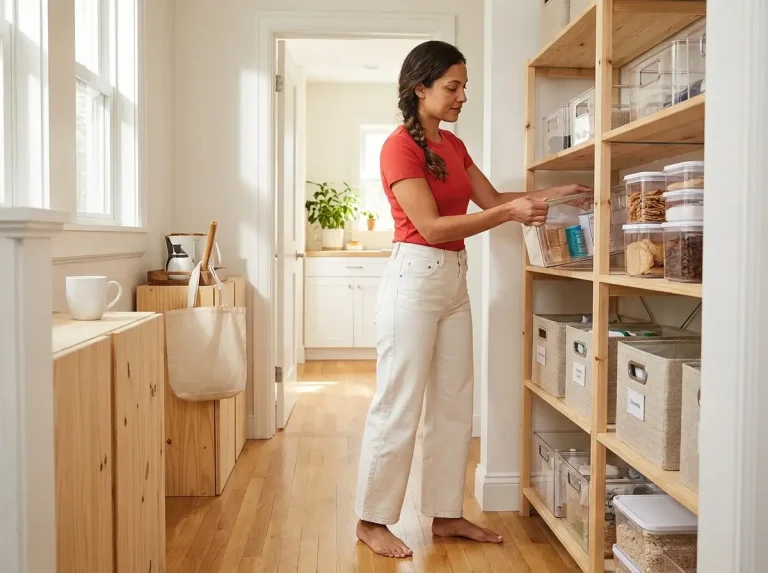
For lighter indoor jobs where you want to see what’s inside, smaller clear stackables do the trick. The mDesign Stackable Plastic Storage Bins (4-pack) are open-front and easy to grab from, which makes them handy in a closet or on a shelf where visibility matters. Just don’t ask them to do attic or heavy-load duty. They’re light-duty by design, and the same features that make a stackable bin actually lock and stay reachable separate the useful ones from the ones that slide around.
Now the anti-sell. You do not need a “premium airtight” tote to keep a sealed bin’s contents safe from humidity. Drop a couple of rechargeable Dry & Dry Silica Gel Packets into a basic Sterilite or Rubbermaid snap-lid box and you’ve solved the trapped-moisture problem for a few dollars, a budget-friendly fix next to any premium airtight upgrade (a store-brand desiccant or DampRid does the same job). Spend the savings on a bin that actually fits your shelf instead.
Toss the little silica gel packets that come with shoes and supplements into a jar instead of the trash. Once you’ve got a handful, they go straight into your sealed plastic totes. You’ve been throwing away the exact thing the “airtight upgrade” is selling you.
The Verdict
Stop asking which material is better and start asking where it lives and what goes inside. Fabric breathes, so it wins for clothes in a dry indoor closet and folds flat for the next move. Plastic seals, so it wins for damp basements, hot attics, pests, and heavy loads, as long as you buy thick plastic for heat and never pack anything damp. And whatever you choose, measure your shelf depth before you click buy, because the wrong size is the failure that gets a bin returned.
In three months, pull one stored bin and check it. A musty smell means move that load to breathable storage. A sagging corner means it doesn’t belong on the high shelf. A cracked lid means the attic ate it and the next one needs to be thicker.
Start with the one bin that already annoys you. Move it to the right material for its spot. Then do the rest.
Frequently Asked Questions
01Are fabric or plastic bins better for storing clothes long-term?
For clothes in a dry indoor closet, breathable fabric is the safer long-term choice because it lets natural fibers air out instead of trapping moisture. Switch to sealed plastic only when the space is damp, hot, or pest-prone, and always pack everything bone-dry first.
02Do plastic storage bins cause mold or mildew?
Only if you seal moisture inside them. A plastic bin traps any dampness from not-fully-dry clothes or a humid room, creating the conditions for mildew. Pack items completely dry, add a silica gel packet, and keep the bin off a damp floor.
03Can you store clothes in plastic bins without them getting musty?
Yes. Make sure clothes are fully dry before packing, drop in a rechargeable desiccant pack to control trapped humidity, and store the bin somewhere temperature-stable. The musty smell comes from sealed-in moisture, not the plastic itself.
04Are fabric storage bins sturdy enough for a high shelf?
Only the structured ones. Soft, unstructured fabric cubes fold and spill when pulled down by the handle. For a high shelf, use a fabric bin with rigid inner walls or a rigid plastic box, and save the floppy cubes for lower, easy-to-reach shelves.
05What storage bins are best for a hot attic or a damp basement?
Both call for rigid plastic, but the right kind. Hot attics need thick HDPE or polypropylene that won’t go brittle in the heat, while damp basements need a gasket-sealed weatherproof tote raised off the floor. Skip fabric and skip thin bargain plastic in either spot.
Disclaimer: ClutterlessNest is a participant in the Amazon Services LLC Associates Program. As an Amazon Associate we earn from qualifying purchases. This article may contain affiliate links — if you buy through them, we may earn a small commission at no extra cost to you. We only recommend products we have tested or genuinely believe in.