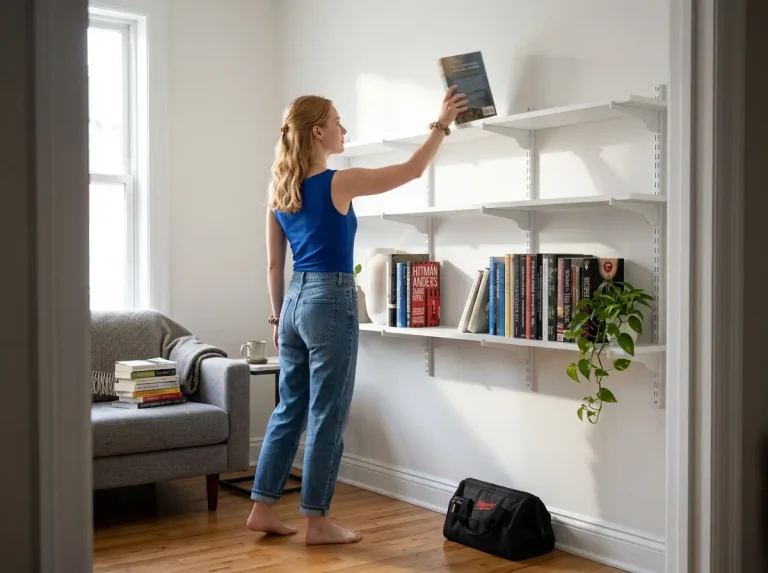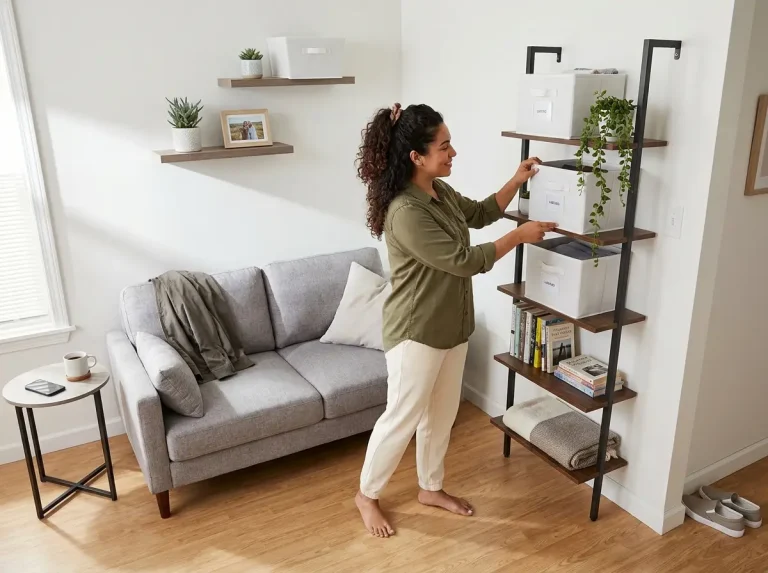
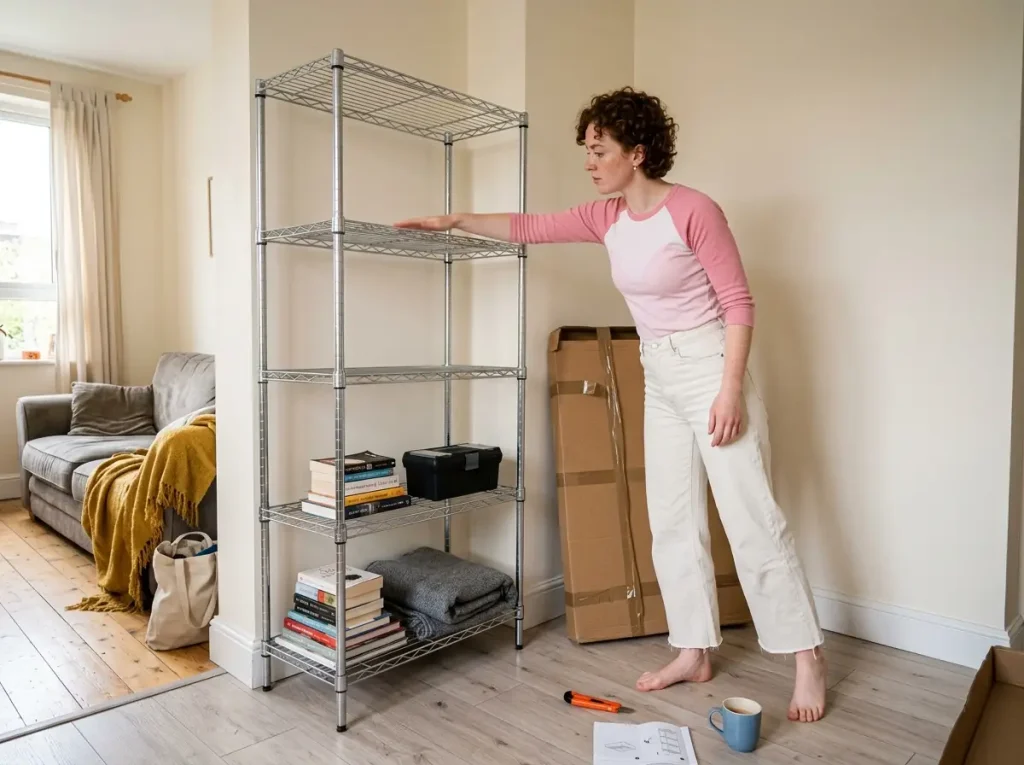
Almost every guide to securing a tall shelf ends with the same line: anchor it to a stud. That advice quietly assumes you own a drill, a stud finder, and permission to put holes in the wall. But the whole reason you typed “freestanding” into the search bar is that at least one of those three isn’t happening. Freestanding shelving is the one storage category that stands entirely on its own footprint, which means how it stands, how you load it, and whether it tips is the real story, not just how much it holds. This guide covers the materials that actually last, the real weight numbers (and what wheels quietly cost you), how to keep a unit upright without drilling, the closet-scale picks garage roundups skip, why cheap units sag by month three, and how to choose for your actual space.
| Unit | Material | Best for | Fits |
|---|---|---|---|
| Seville Classics WEB690 | NSF steel wire | Heavy garage & kitchen loads | Standard depth |
| DEWALT 3-Shelf Rack | Steel wire | Tools & maximum weight | Wide footprint |
| Amazon Basics 4-Shelf | Steel wire | Reach-in closets | Closet-depth |
| SINGAYE Narrow Unit | Steel wire | Tight corners & hallways | Ultra-narrow |
| Gracious Living Resin | Resin | Humid & bulk storage | Deep footprint |
What Actually Separates Freestanding Shelving Units From the Rest
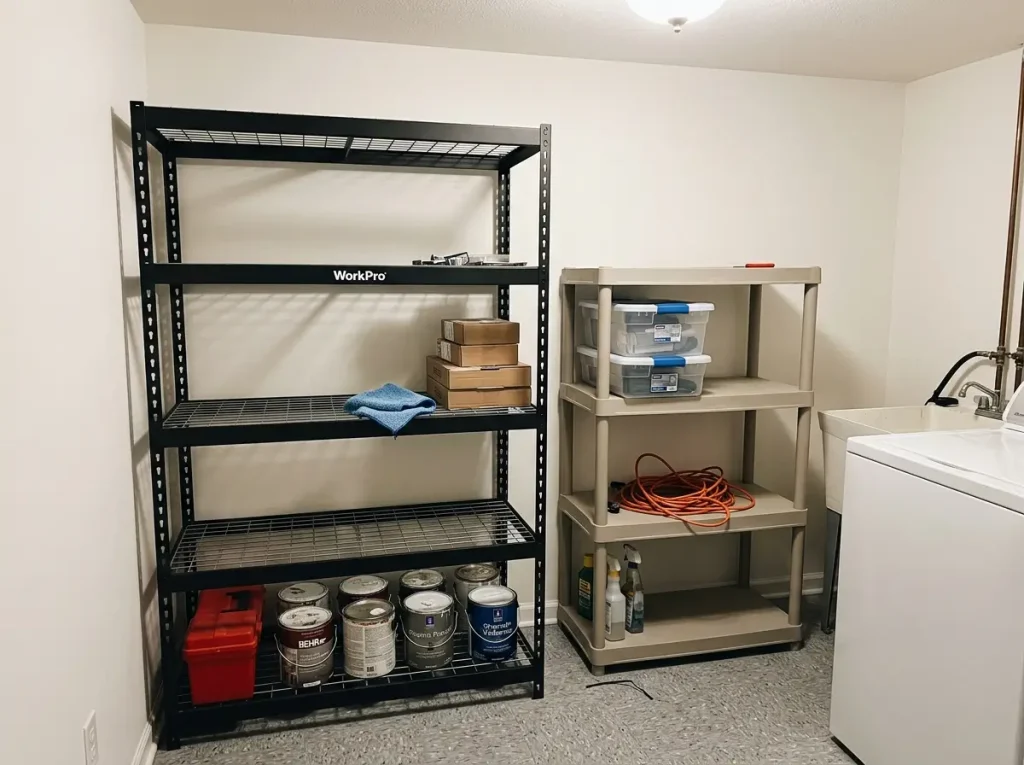
Most people shopping for a freestanding shelving unit reach for “heavy-duty steel” on reflex, then park a wire garage rack in the corner of a bedroom and wonder why the room suddenly feels like a loading dock. Material isn’t only about what a unit holds. It’s about where the unit lives, and getting that wrong is the mistake almost everyone makes exactly once. You can read the whole category through the wider guide to shelving and racks that hold up where you live, but freestanding is its own animal, and the material choice comes first.
Steel Wire, the Workhorse
Steel wire is the default for good reason. It resists warping, cracking, and splintering under sustained weight, and it won’t rust when it’s galvanized or powder-coated. If you’re loading anything genuinely heavy, or storing it somewhere humid, steel wire beats wood and plastic on paper every time. The catch is purely visual: a chrome wire rack reads “utility room,” which is fine in a garage and jarring in a living space.
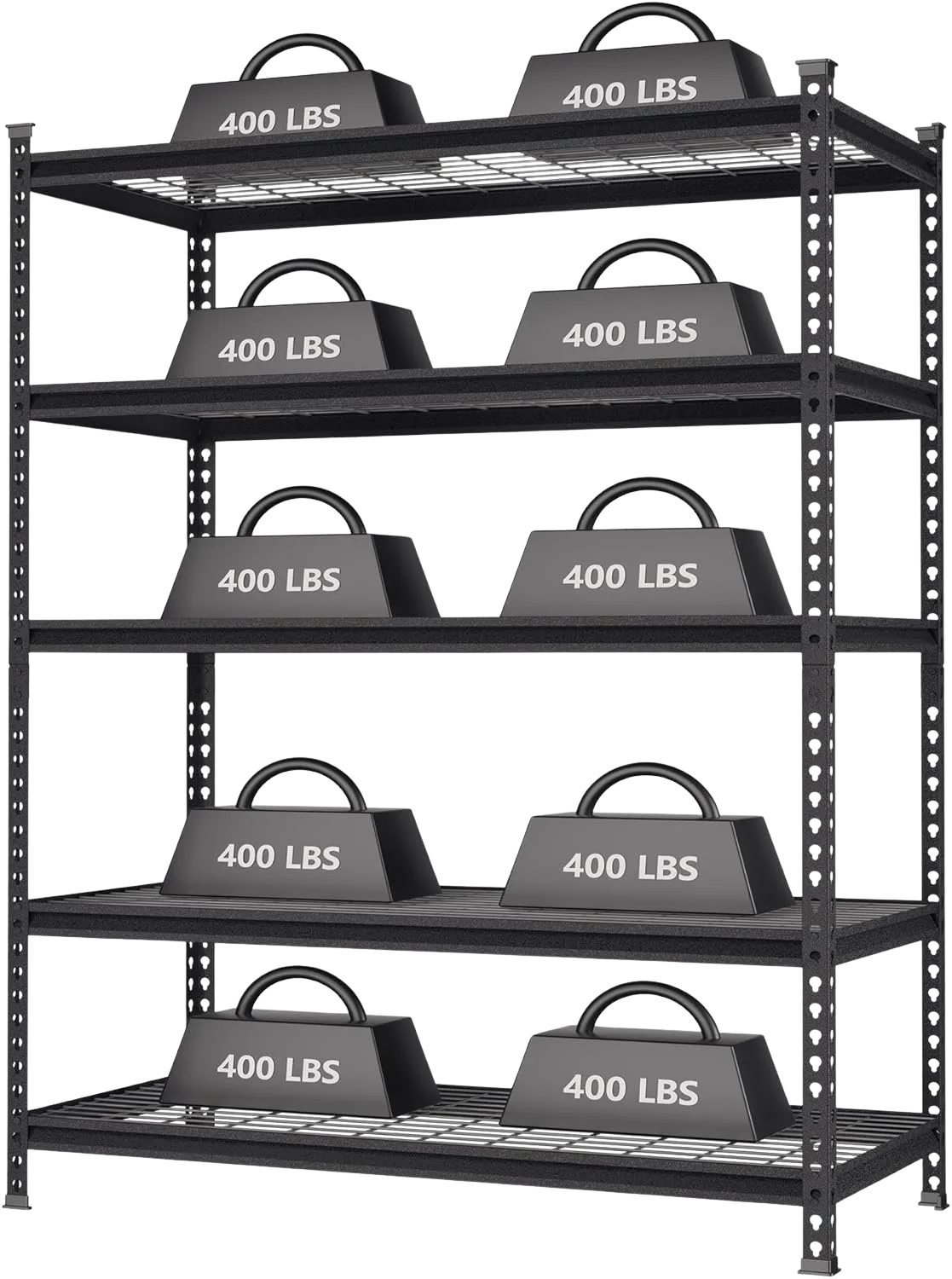
For general-duty steel, the WorkPro 5-Tier Metal Storage Shelving Unit is the one to beat. Its shelves adjust in one-inch increments instead of the usual two or three, which sounds trivial until you’re trying to fit a row of tall bins under a shelf and the standard spacing leaves you two inches short or two inches of wasted air.
Resin and Plastic, When Humidity or Budget Wins
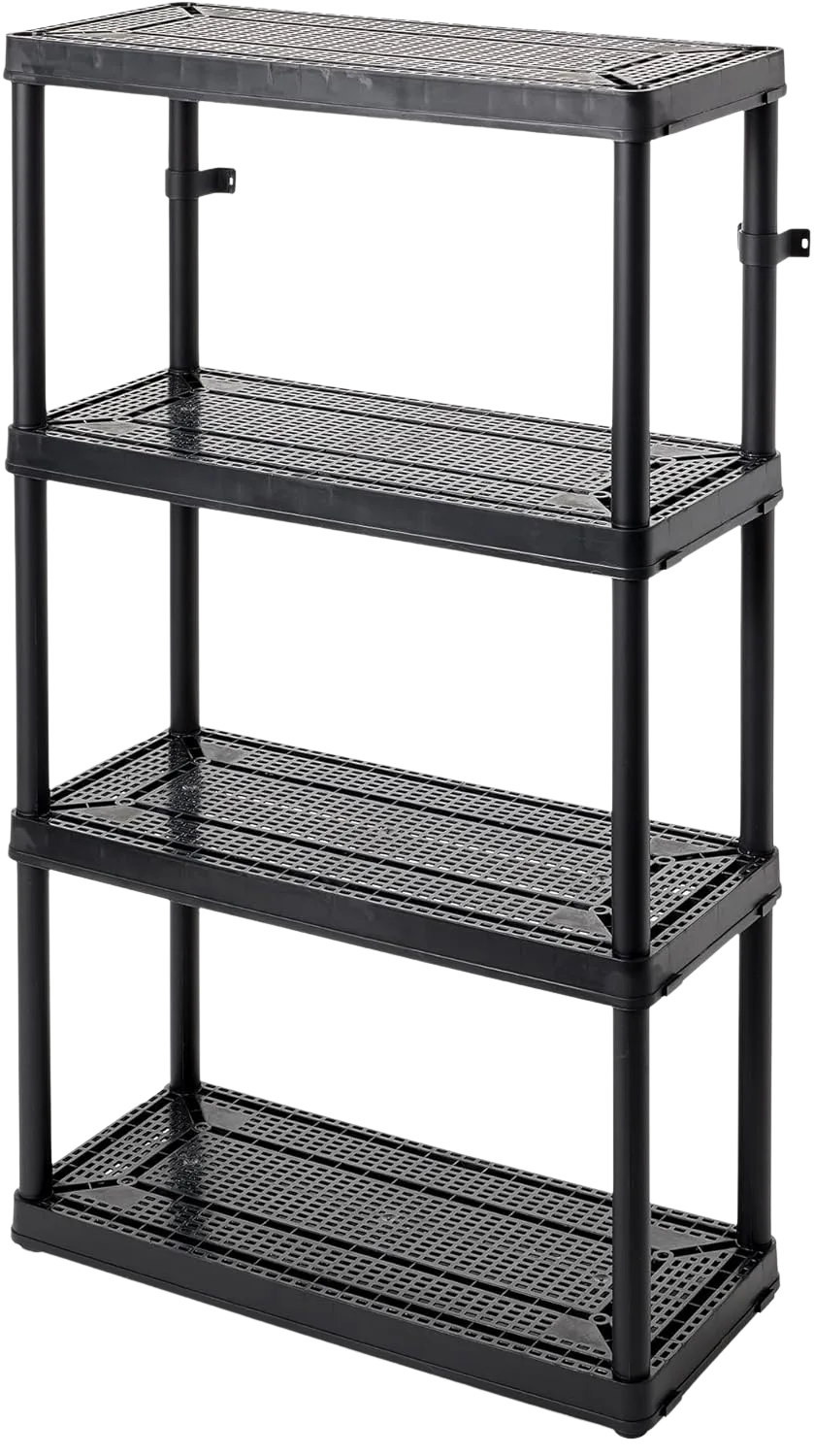
Resin and HDPE plastic don’t corrode, which makes them the smart call for a basement, a laundry area, or anywhere a little dampness creeps in and would eventually eat a particleboard shelf. The tradeoff is a lower ceiling per shelf, so this is bin-and-bulk territory, not power-tool territory. The Gracious Living Medium-Duty Resin Shelf Unit assembles without tools and shrugs off moisture, which is exactly what you want next to a water heater.
Wood is the material this category quietly forgets, and it’s the one that matters most in a room people actually see. A wood or wood-look freestanding unit reads as furniture, not as storage, which is the difference between a shelf that works in a bedroom and one that makes the room feel like a stockroom. The tradeoff is real: solid wood needs sealing and refinishing over time, and it swells in humidity where steel wire shrugs it off. So the honest split is simple. Steel and resin win on paper for a garage, basement, or closet. Wood wins on looks the moment the unit lives somewhere you host people, and looks are a legitimate reason to choose a shelf, not a frivolous one.
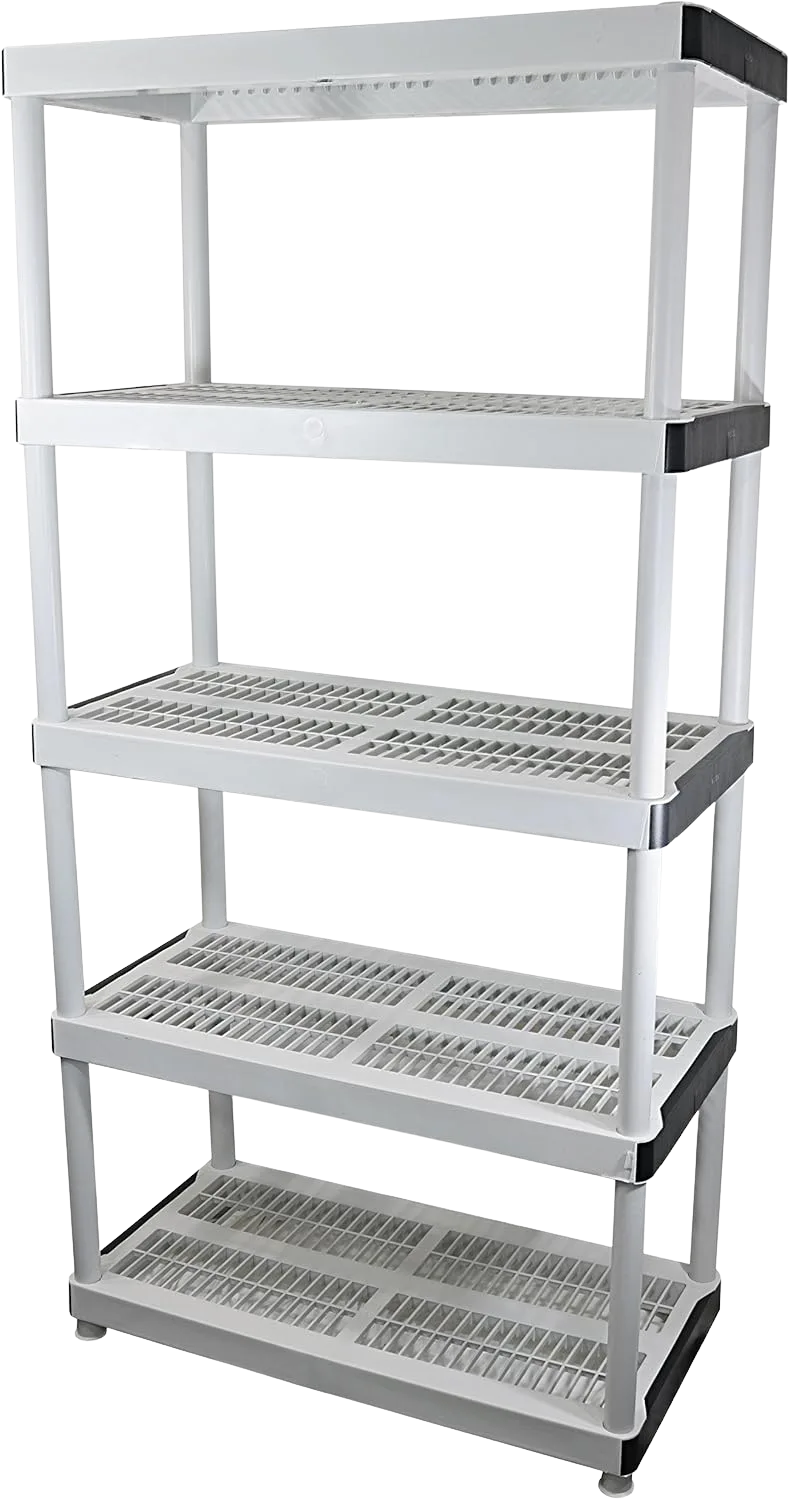
Budget plastic is the lowest material tier, and it earns its place for light, bulky, low-stakes storage. The HDX 5-Tier Plastic Garage Storage Shelving Unit is the honest budget option: it won’t hold what steel holds, but for holiday bins, sports gear, and pantry overflow, it does the job for a fraction of the cost. If your load is light and your budget is tight, start here before you talk yourself into steel you don’t need.
The Wall-Independent Advantage
Here’s the trait that actually defines this category and gets ignored in every garage-focused roundup: a freestanding unit touches nothing but the floor. It comes apart clean, leaves zero holes, and it’s the one piece of shelving you take with you when the lease ends. For a renter, that’s not a footnote. That’s the whole reason to buy freestanding instead of drilling a floating shelf you’ll have to patch and repaint on your way out.
How Much Weight They Really Hold (and What Wheels Quietly Cost You)
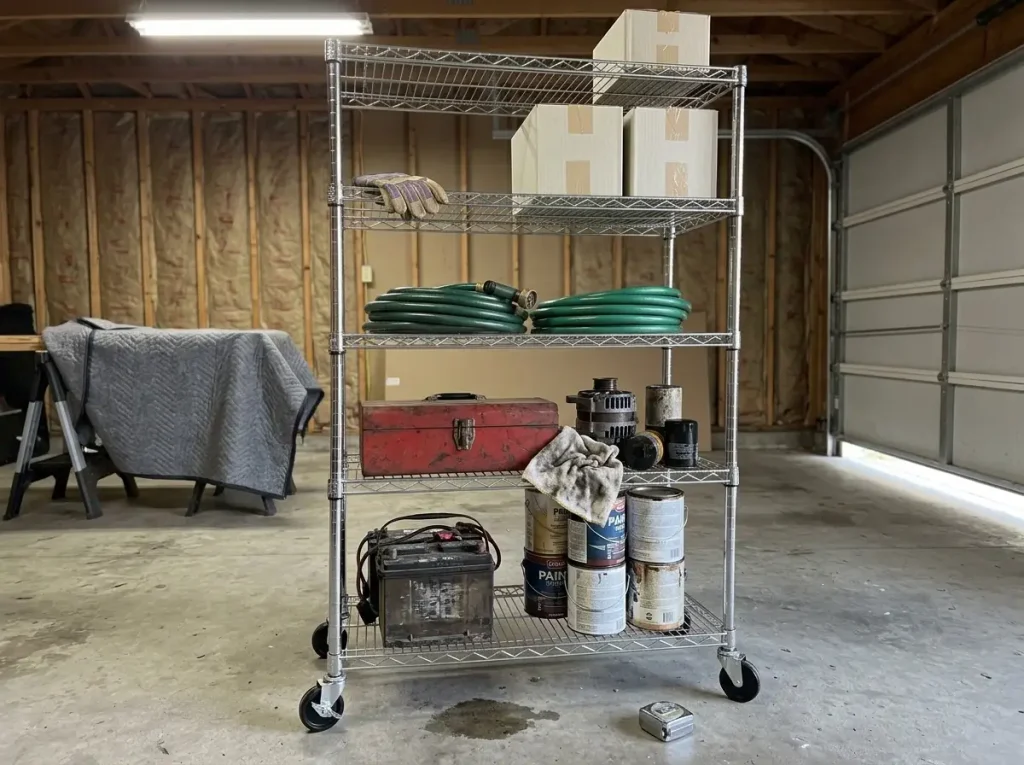
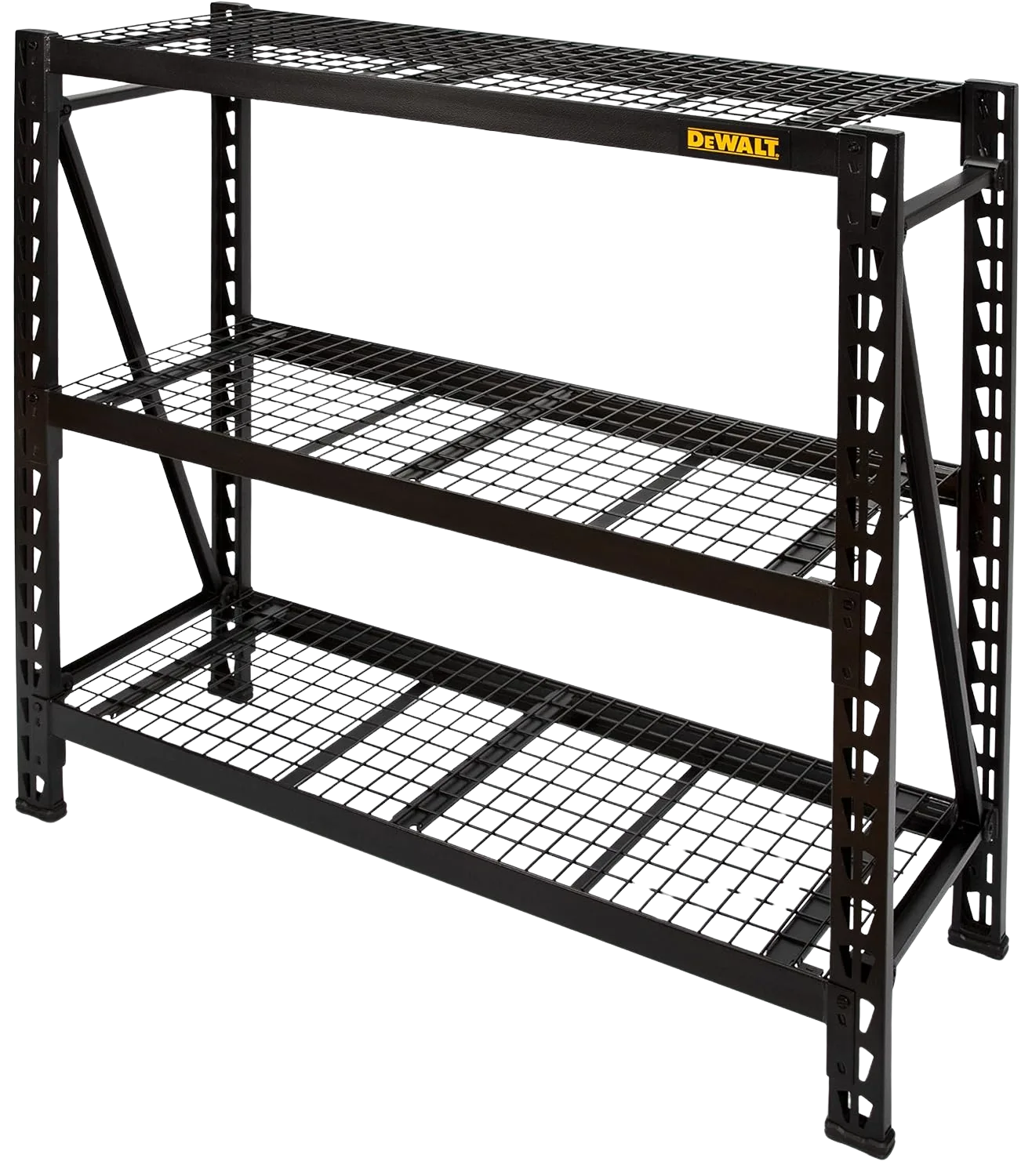
The number on the box is rarely the number you get. The first trap is reading a whole-unit rating as a per-shelf rating. When a listing brags about 4,500 pounds, that’s usually the entire frame across every tier, and the weight capacity that actually matters is what one shelf holds at the height you’ll load it. The DEWALT 3-Shelf 4-Foot Wire Industrial Storage Rack is a clean example: it’s rated 1,500 pounds per shelf, which is the real outlier here, since most consumer units live somewhere between 150 and 800 pounds per shelf.
The Wheels-vs-Static Trade You Never See Coming
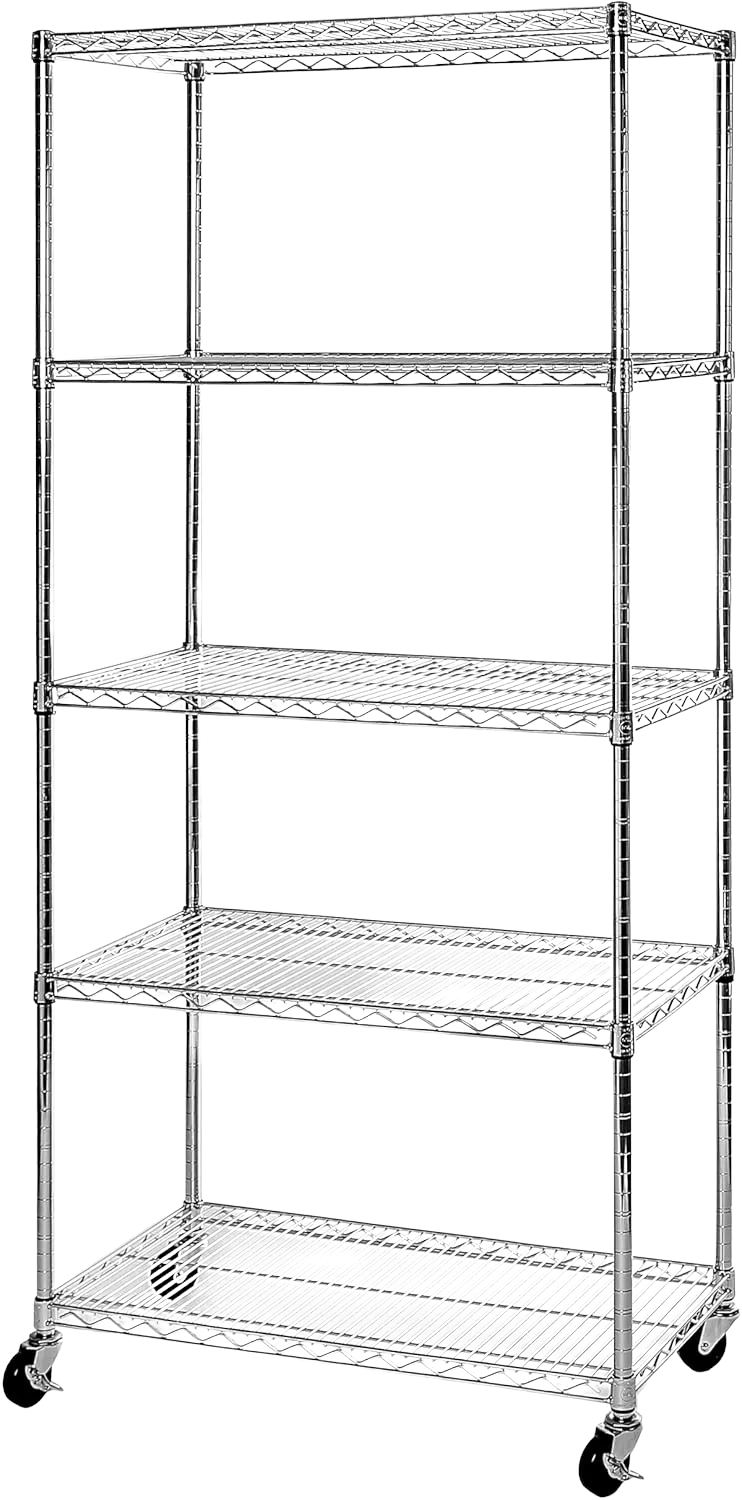
Here’s the detail nobody warns you about, and it’s the single most useful thing in this guide. Adding caster wheels to a shelving unit cuts its capacity, often dramatically. The Seville Classics WEB690 5-Tier NSF Steel Shelving is rated 800 pounds per shelf standing still. Install the wheel kit and that drops to 500 pounds per shelf, roughly a 38% cut for the convenience of rolling it around. Someone adds wheels to reach behind the unit for cleaning, keeps loading it the way they always have, and six months later there’s a bow in a shelf that held the same weight flat for a year.
If you want a unit you can roll, check the wheeled rating specifically, not the static number on the front of the box. Casters carry their own weight limit and become the weakest link, and rolling a loaded unit adds a lower dynamic rating on top of that. When storage weight is the priority, skip the wheels and load the bottom two shelves heaviest.
The Seville Classics WEB690 earns its “best overall” spot precisely because that capacity cut is documented and honest, and the NSF certification means it’s rated for kitchen and food-storage use, not just the garage.
The practical rule that falls out of all this: the capacity that counts is the one at the height you’ll actually load heavy. Nobody stacks the cast-iron skillets on the top shelf. Load low, load even, and check whether your number is the static one or the rolling one. For the other side of this coin, wall-mounted shelves put their capacity in the studs, not the shelf, which is a completely different set of tradeoffs.
Keeping It Upright Without Drilling Into a Stud
This is the section every garage roundup skips, and it’s the one that matters most if you chose freestanding to avoid holes in the wall. Start with an uncomfortable fact: most shelving units aren’t covered by the federal tip-over rule the way dressers are. The CPSC’s 2023 tip-over safety standard targets clothing storage units, and it largely leaves general shelving out. There’s no regulatory floor forcing your shelf to be tip-resistant out of the box, so the responsibility lands on how you set it up.
That responsibility isn’t small. The CPSC’s AnchorIt.gov guidance on securing tall furniture recommends anchoring anything taller than 30 inches or heavier than 30 pounds, and nearly every five-tier unit in this guide runs 48 to 74 inches tall. By that standard, most freestanding shelving clears the tip-over threshold, and this applies indoors, not just in the garage.
Why the Standard Anchor Advice Fails Renters
The usual fix is a wall-to-furniture anti-tip strap, which sounds simple until you read the fine print. Those kits are built to bite into wall structure, meaning a stud. Screw one into drywall alone and it pulls out under moderate pressure, which defeats the entire point. And “just strap it to the dresser next to it” isn’t a real substitute either. Furniture-to-furniture tethering without a genuine wall anchor is one of the more repeated bad-advice patterns in home-safety threads, because two unanchored pieces can go over together.
The Load Order That Does the Heavy Lifting
Before any hardware, the free fix does most of the work: keep the base wide and load it bottom-heavy. The vast majority of tip-overs are a top-heavy load problem, not a frame problem. Put your heaviest items on the two lowest shelves, keep the top tier light, and you’ve removed most of the risk before you buy a single anchor. This costs nothing and it’s the step people skip while shopping for gadgets.
Two placement moves reinforce it. Push the unit flush against a wall so it can’t rock backward into open space, and if the floor isn’t level, shim the feet until it stops wobbling, because a unit that already leans is halfway to tipping. Neither costs a thing, and together they matter more than any single piece of hardware you can bolt on.
If there’s any chance of a child climbing the unit, load order isn’t enough on its own. A wide base and bottom-heavy loading buys you real stability, but a curious toddler using a bottom shelf as a ladder changes the math. That’s where an actual anchor point earns its keep, even a no-stud one.
The One Anchor That Works Without a Stud
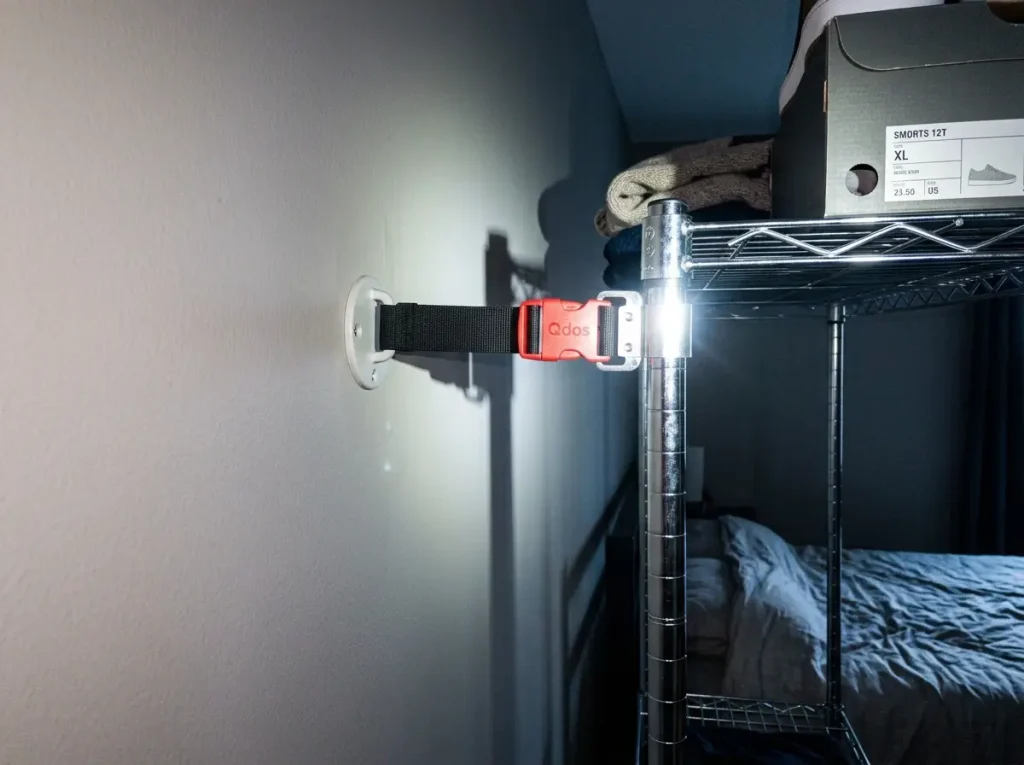
If you want a genuine anchor point but can’t reach a stud, there’s a middle-ground option. The Qdos Zero-Screw Furniture Anti-Tip Kit mounts to drywall through a hole about the size of a picture-hook, no stud required, and it’s rated to hold up to 200 pounds of restraining force. It splits the difference for renters who want more than a wide base but can’t hunt for framing or won’t drill a proper hole. It’s the rare safety product that actually fits the freestanding-for-renters use case instead of assuming you have a drill and a stud finder. Pair it with bottom-heavy loading and you’ve covered the real risk. For a deeper look at freestanding shelves with anti-tip anchoring in apartments, the same mechanics apply across the room.
The Closet and Apartment-Scale Picks Garage Roundups Skip
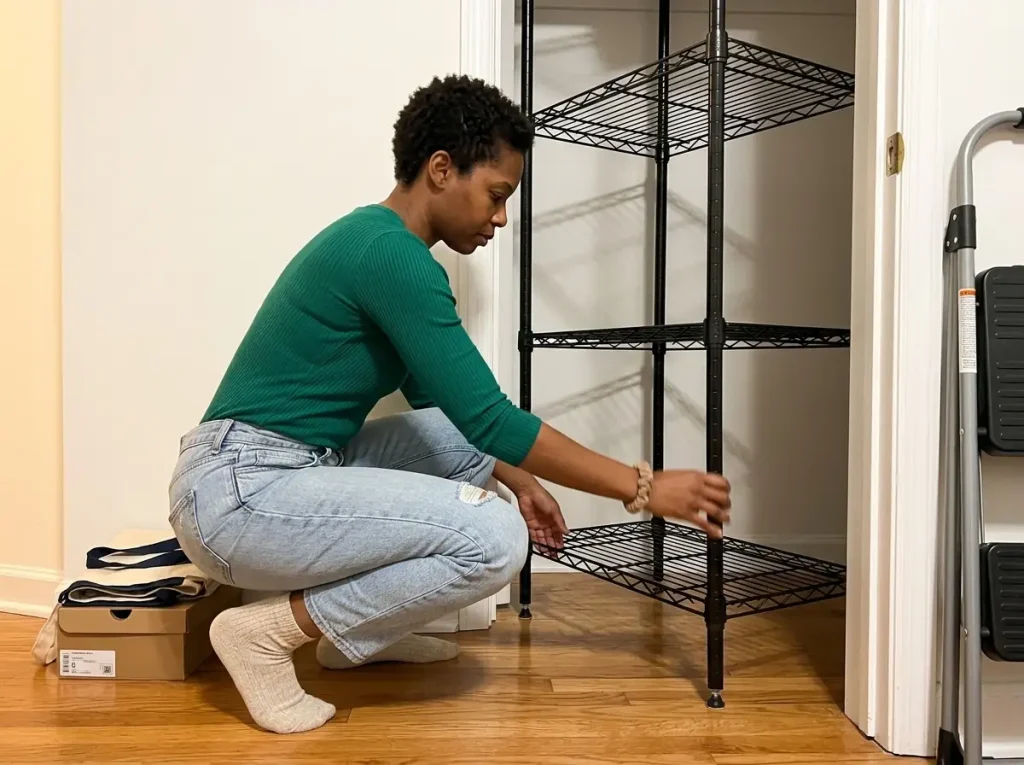
Every “best freestanding shelving” list assumes you’re filling a 72-inch garage run. Meanwhile, the person who actually needs help has a 24-inch rental closet and a unit that’s about to block the door. This is the biggest gap in the category, so it gets the most attention here.
Start with the number that governs everything indoors: a standard rental reach-in closet runs 22 to 24 inches deep. Any unit deeper than about 20 inches eats the entire usable depth, blocks the door swing, or shoves out past the frame so you can’t hang clothes in front of it. Depth, not width, is the constraint that kills a closet fit, and you’ll learn that the first time a bin sticks past the door frame and the door won’t close. That happens to everyone exactly once, and then they start measuring.
The Reach-In Closet Fit
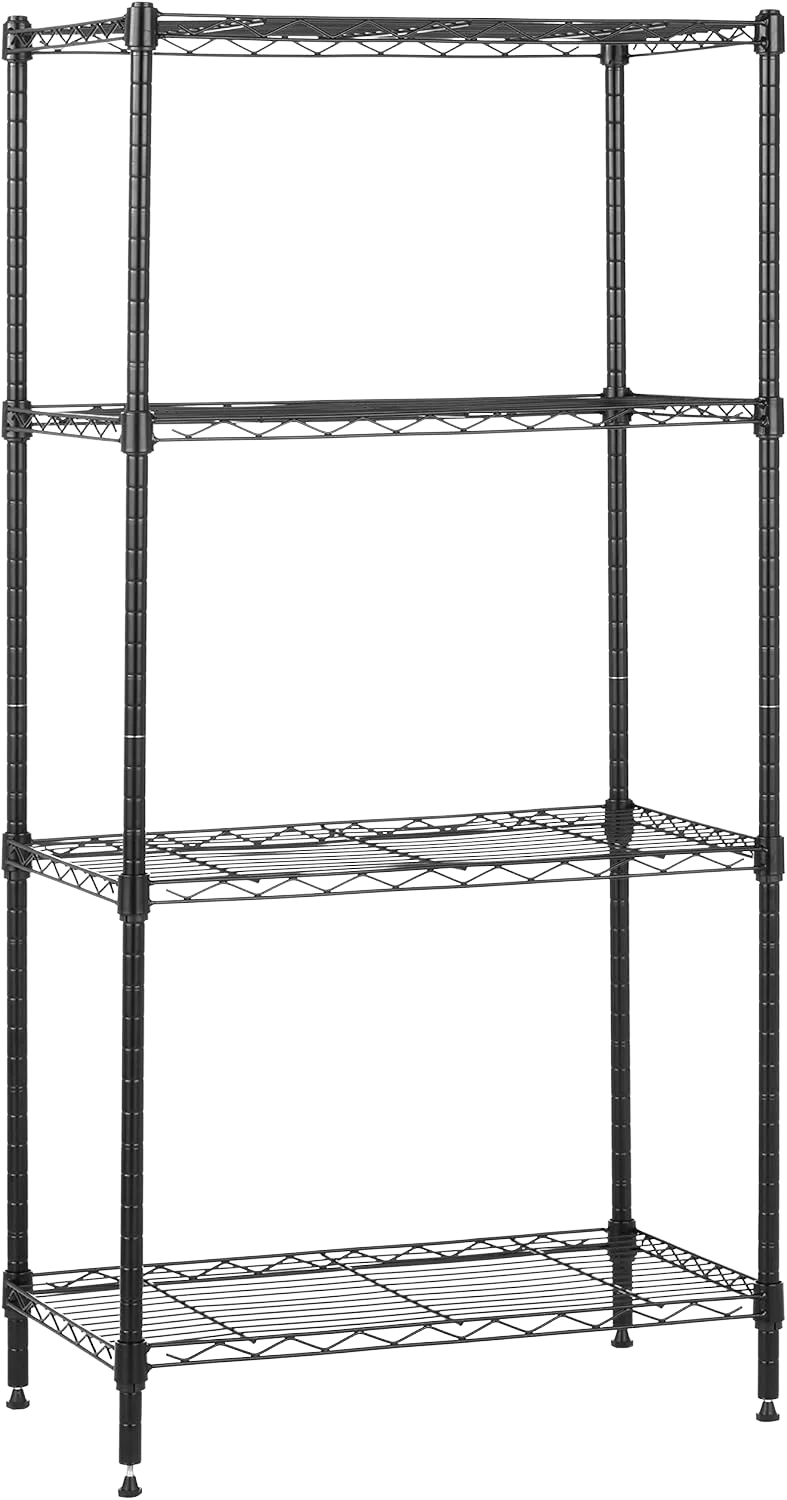
The Amazon Basics 4-Shelf Steel Wire Storage Shelves unit is the pick garage roundups pretend doesn’t exist. At roughly 13 inches deep, it slides inside a standard reach-in closet without swallowing the whole footprint, and four steel tiers still hold a real load. It’s the closet-scale workhorse.
The Tightest Corners
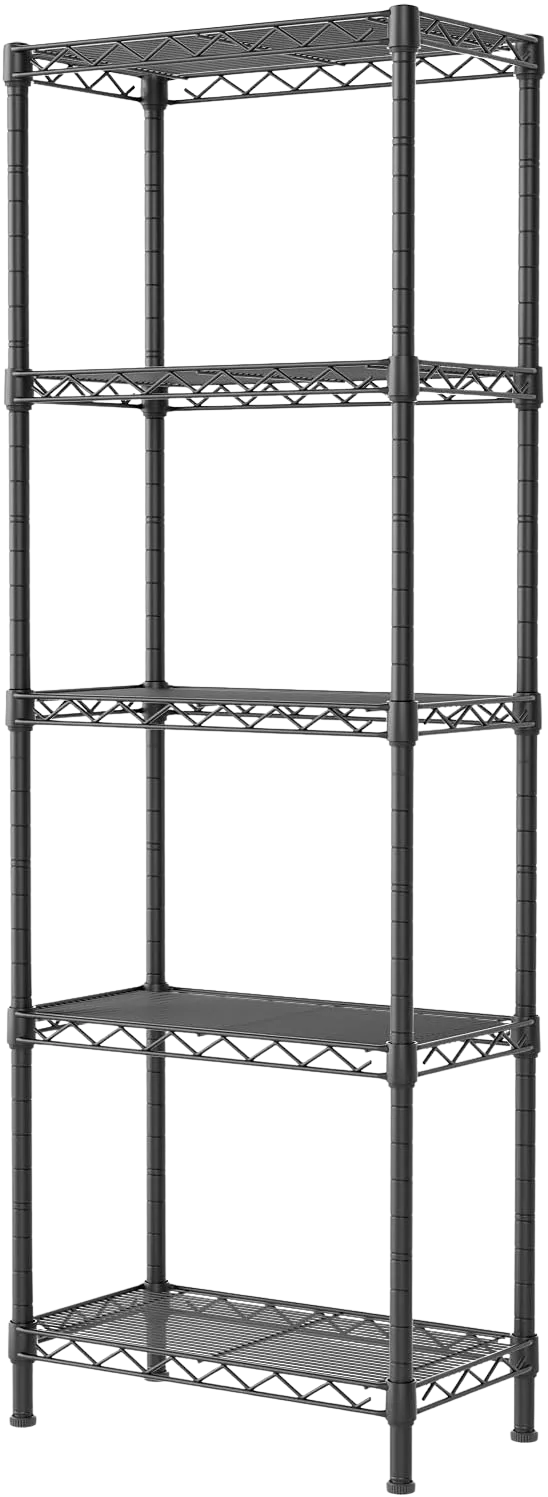
When even 13 inches won’t squeeze in, the SINGAYE Narrow Wire Shelving Unit goes narrower. At around 10 inches deep, it tucks into a slim hallway, the end of a closet run, or an apartment corner that a standard unit can’t touch. It’s tall and skinny by design, so it turns otherwise-dead vertical space into real storage without eating floor. If it still won’t fit, our corner shelf ideas for small rooms cover the wedge-shaped options built for exactly that spot.
The Tool-Free Floor Alternative
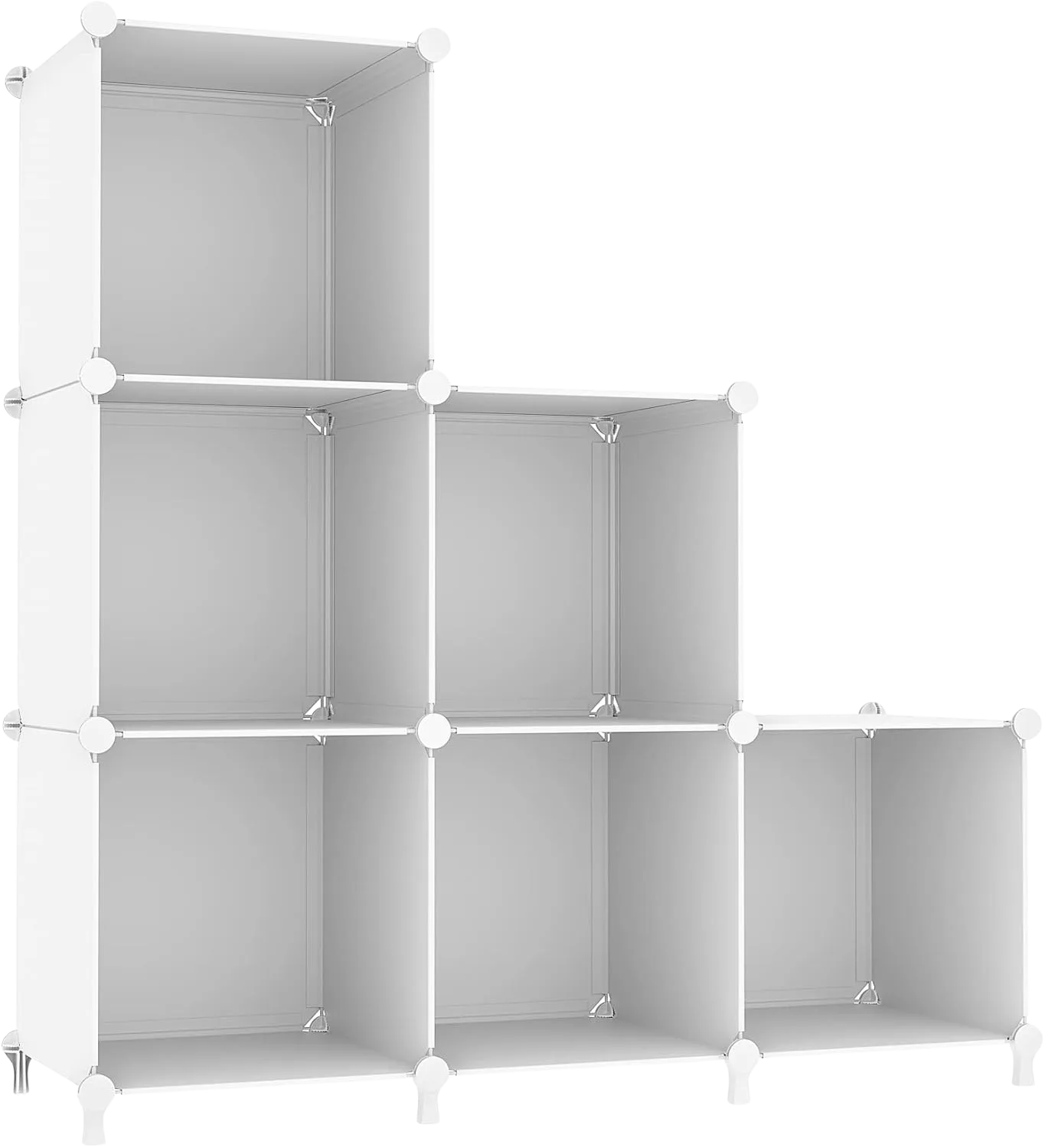
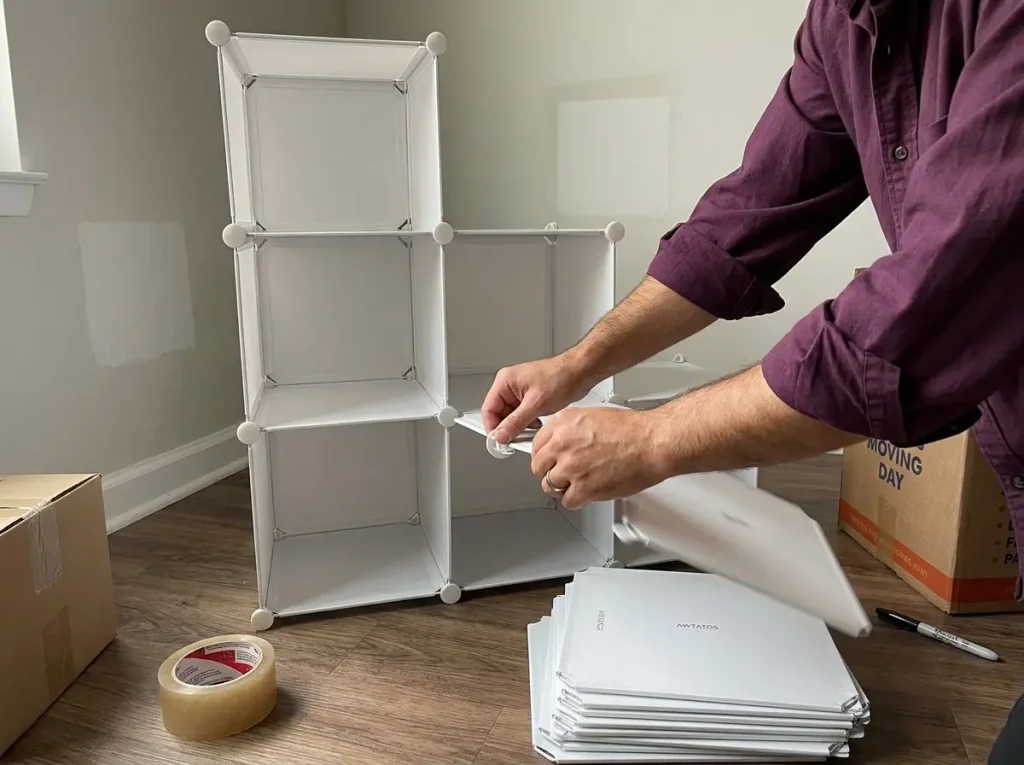
Not every freestanding solution has to be a rigid shelf frame. The AWTATOS Stackable Cube Organizer is a modular cube grid that assembles by hand and sits on a closet floor as a genuinely freestanding unit. It touches no wall, reconfigures into different shapes, and comes apart into flat panels when you move, which is the renter’s dream at the end of a lease. It won’t carry garage weight, but for clothes, shoes, and everyday closet storage, it’s a flexible option that a rigid rack can’t match. This is also a smart move when you’re using vertical dead space in a small apartment where a full-height rack would feel like too much.
Why “Heavy-Duty” Units Sag or Wobble by Month Three
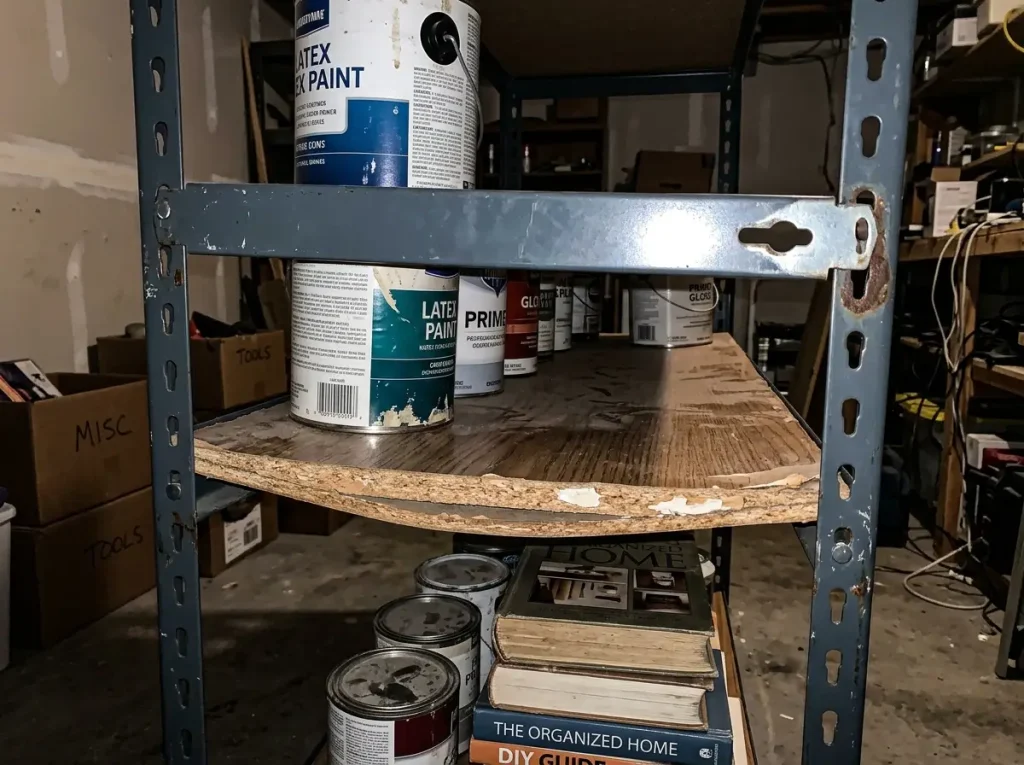
The unit felt rock-solid the day you built it. Six weeks later there’s a lean, a wobble, or a shelf with a gentle bow in the middle. It didn’t fail on day one. It failed the way most of them do, slowly, and the spec sheet never warned you because the spec sheet measures a snapshot, not a season.
Two mechanisms do most of the damage. The first is boltless assembly working loose. Those fast, tool-free cross-braces and connectors that make a unit easy to build also loosen from the vibration of repeated loading and unloading, and it’s worst on wheeled units that get rolled around a hard floor. The connector backs off a hair at a time until the frame develops play, and play becomes a wobble. The second is a sagging shelf under sustained load. A particleboard, MDF, or lower-grade resin shelf can pass its instantaneous weight rating and still bow under the same weight held for weeks, because the spec tested a moment and your storage is permanent.
Steel wire is the exception on both counts. It doesn’t creep under sustained load the way pressed board does, which is the real reason it wins for anything genuinely heavy. If you bought pressed-board shelves, keep the heaviest items off them for the long haul.
There’s also a build distinction worth knowing before you buy. Boltless “rivet” shelving snaps together fast and that’s its appeal, but the same connectors are what work loose. Welded or bolt-together frames take longer to assemble and cost more, and they hold their geometry far better over years of loading. If you know a unit will carry heavy weight and rarely move, the slower-to-build frame is the one that survives.
The tell shows up early if you know where to look. A shelf that no longer sits flush in its frame is the first sign of sag, well before anything slides off. Catch it there. At about the two-week mark, re-seat every shelf and re-tighten each connector, which takes a couple of minutes and stops the lean before it sets in.
If a shelf has already bowed, don’t try to flatten it back. Redistribute the weight so the heaviest items sit directly over the frame’s corner posts, not the unsupported center span, and move anything critical down a tier. A bowed particleboard shelf rarely recovers, but a steel wire one under a corrected load usually holds where it is. Anchor hardware quality varies too, and Consumer Reports’ testing of furniture anchor kits is a good reality check that not all of them hold equally.
Put a two-minute reminder on your calendar for two weeks after assembly: re-seat the shelves, re-tighten the connectors, and check that each shelf still sits flush. It’s the single cheapest thing you can do to add years to a boltless unit, and almost nobody does it.
How to Choose by Space (and the Move-Out Math Renters Miss)
The right unit is the one that fits your actual room and your actual lease, not the one with the biggest number on the box. Work in that order. Match the material to the room first: steel wire for a garage or utility area, resin for anywhere humid, and a closet-depth wire unit for a rental. Only then start comparing capacity, because a 1,500-pound rack you can’t fit through the closet door is worse than a 200-pound one that slides right in.
Run the decision as three quick questions. Where does it live, which tells you the material and whether looks matter. How deep is the space, measured with a tape and not your eyes, which rules out anything that blocks a door or a walkway. And how heavy is the real load, low and even, which sets the per-shelf number you actually need. Answer those three and the field usually narrows to one or two units on its own. Skip them and you end up returning a box because the shelf that looked perfect online stuck out four inches past the closet frame.
If no freestanding unit fits at all, you still have no-drill options that reclaim vertical space without a footprint. Tension-rod shelving works where a freestanding unit won’t fit, using pressure instead of floor space, and over-door organizers pull the same trick on the back of a door. Sometimes the best freestanding unit is the one you don’t buy because a tension system does the job.
And here’s the math renters miss until move-out day: freestanding is the only shelving you actually keep. It comes apart clean, leaves the wall exactly as you found it, and travels to the next place whole. Compare that to patching and repainting anchor holes for your deposit. If you want the fuller picture, closet systems for renters that leave no holes covers freestanding towers alongside the other no-damage approaches. Before you buy anything, though, look at what you already own. A sturdy bookcase or an existing cube unit reconfigured well might mean you don’t need to spend a thing.
Conclusion
Three things carry you to the right pick. Match the material to the room before you chase a capacity number, because steel in a bedroom and resin under real weight are both mistakes. Load the bottom shelves heavy and keep the base wide, then add a no-stud anchor if you can’t reach framing, since that’s the safety move competitors skip. And measure closet depth first, because depth is the constraint that quietly kills a fit.
In three months, give the unit a two-minute pass: re-seat every shelf and re-tighten each connector, which is exactly when boltless frames start to lean and a quick check stops the wobble before it sets in.
Measure your space, load it low and even, and only then decide whether you even need to buy. The sturdiest freestanding shelving unit is the one that fits your room and your lease, and stays standing long after the “after” photo.
Frequently Asked Questions
01What is the best material for freestanding shelving units?
Steel wire for anything heavy or humid, since it resists sag, warping, and rust when powder-coated. Resin suits damp spaces with lighter loads, and budget plastic works for light, bulky items. Match the material to the room, not just the weight.
02How much weight can a freestanding shelving unit hold?
Most consumer units hold 150 to 800 pounds per shelf, with heavy-duty steel racks like the DEWALT reaching 1,500 pounds per shelf. Read the per-shelf number, not the whole-unit total, and remember that adding wheels can cut it by a third or more.
03Do freestanding shelves tip over easily?
They can if loaded top-heavy, and most shelving is excluded from the federal tip-over standard, so there’s no built-in safeguard. Load the bottom shelves heavy, keep the base wide, and add a zero-screw anchor if you can’t reach a stud.
04Are freestanding shelving units good for renters?
They’re one of the best renter options, with no drilling, no holes, and clean disassembly at move-out. Pick a closet-depth model so it fits a standard reach-in closet without blocking the door or crowding your clothes.
05What’s the difference between freestanding and wall-mounted shelving?
Freestanding stands on its own footprint and its capacity lives in the frame, while wall-mounted depends entirely on hitting a stud and its capacity lives in the wall. Freestanding trades a little floor space for zero wall damage, which is the renter’s tradeoff.
Disclaimer: ClutterlessNest is a participant in the Amazon Services LLC Associates Program. As an Amazon Associate we earn from qualifying purchases. This article may contain affiliate links — if you buy through them, we may earn a small commission at no extra cost to you. We only recommend products we have tested or genuinely believe in.